
EU Mission:
Climate-Neutral and Smart Cities
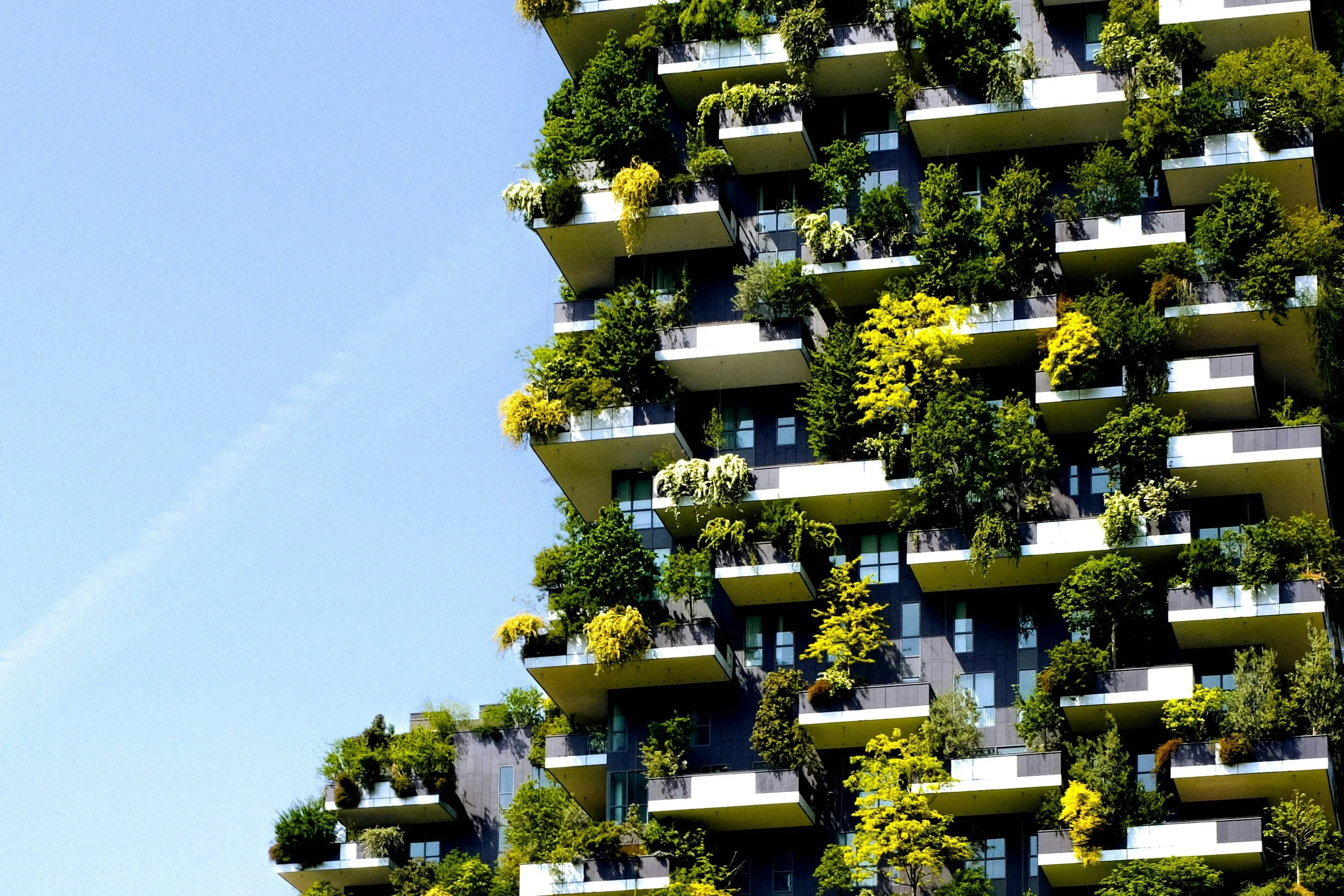
The EU Cities Mission aims to support 100 climate-neutral and smart cities by 2030 and position them as innovation hubs that will enable all European cities to achieve climate neutrality by 2050. It does so by fostering innovation, collaboration, and solution testing in real urban contexts, involving a wide range of local and regional stakeholders.
Mission objectives
Deliver 100 climate-neutral and smart cities by 2030, demonstrating that rapid, systemic decarbonisation in urban areas is feasible and scalable.
Ensure these cities function as experimentation and innovation hubs, developing and testing solutions, governance models, and investment approaches that other European cities can replicate by 2050.
How the Mission works
The Mission brings together local authorities, citizens, businesses, investors, and national and regional bodies to co-design and implement integrated climate-neutrality pathways.
It advances Europe’s transition to climate neutrality by aligning research, innovation, regulation, and funding around city-level climate action and by piloting solutions in real-life urban environments.
Participating cities
The Mission supports 100 cities in EU Member States and 12 cities in countries associated with Horizon Europe, all working toward climate neutrality by 2030.
These 112 cities were selected from 377 applicants and now act as innovation hubs, testing cross-sectoral solutions and new governance models to accelerate change and inspire all European cities to follow by 2050.
VCW for Funding Success:
Used by 300+ Leaders to Turn Ideas into Fundable Proposals and Avoid Costly Mistakes
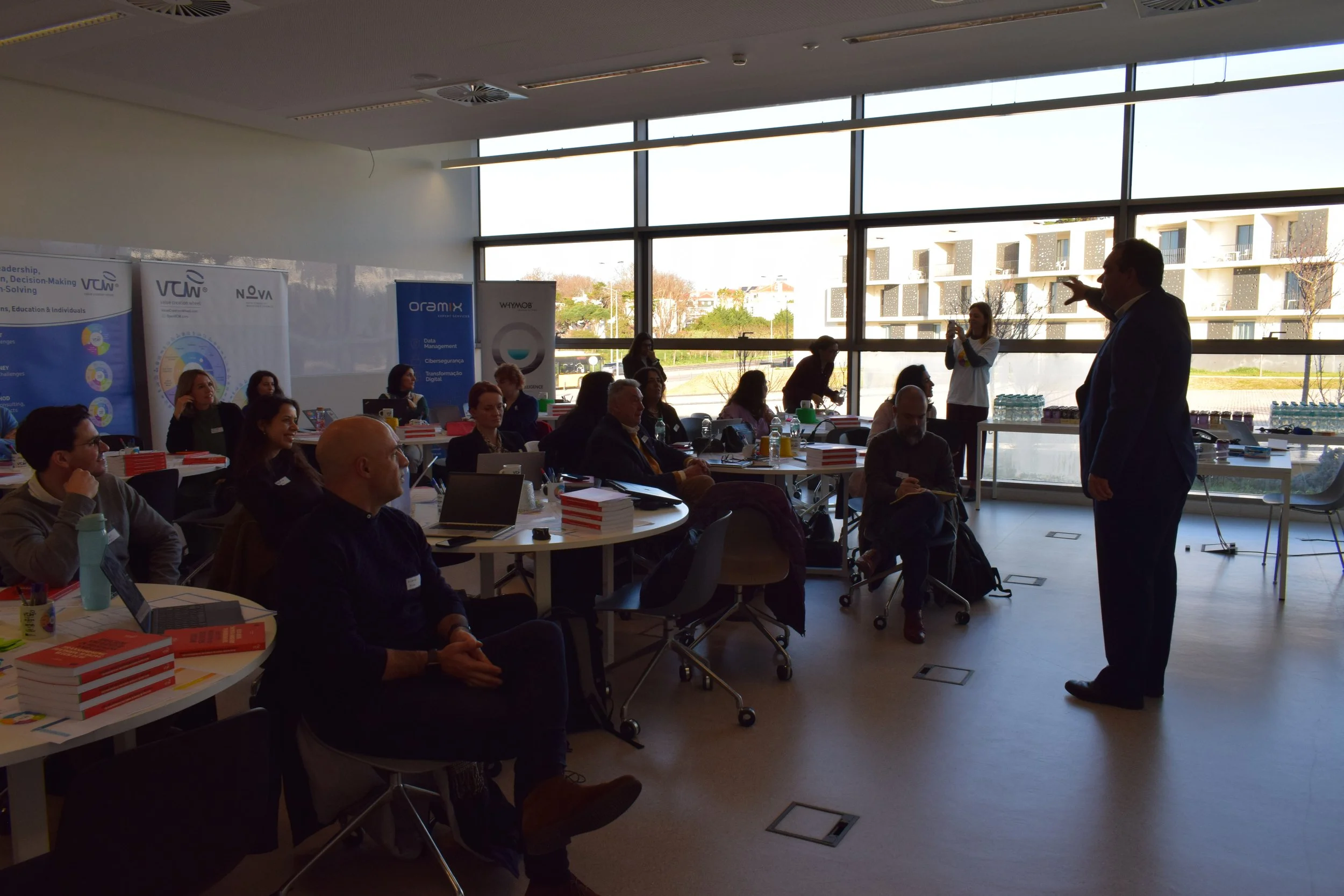
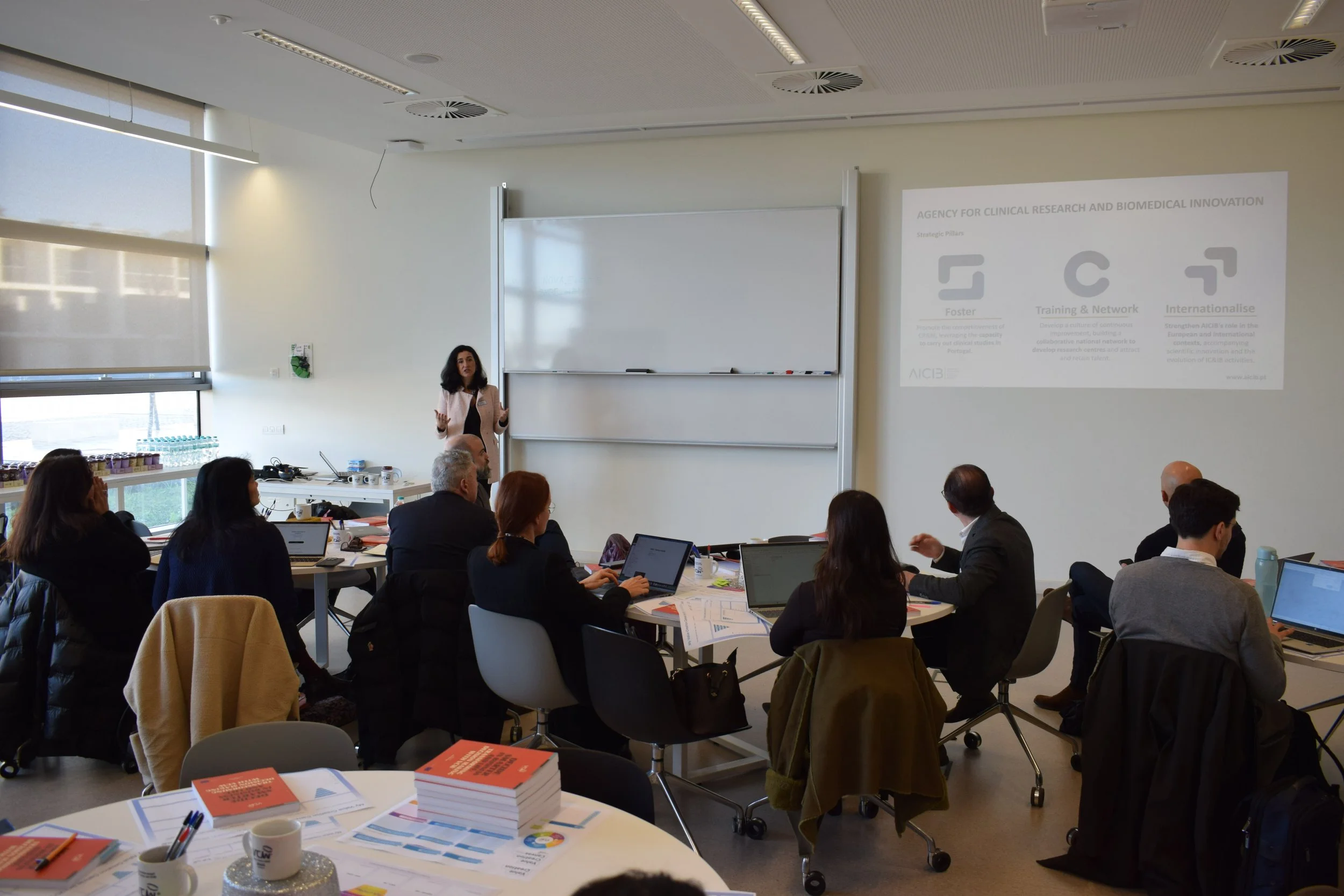
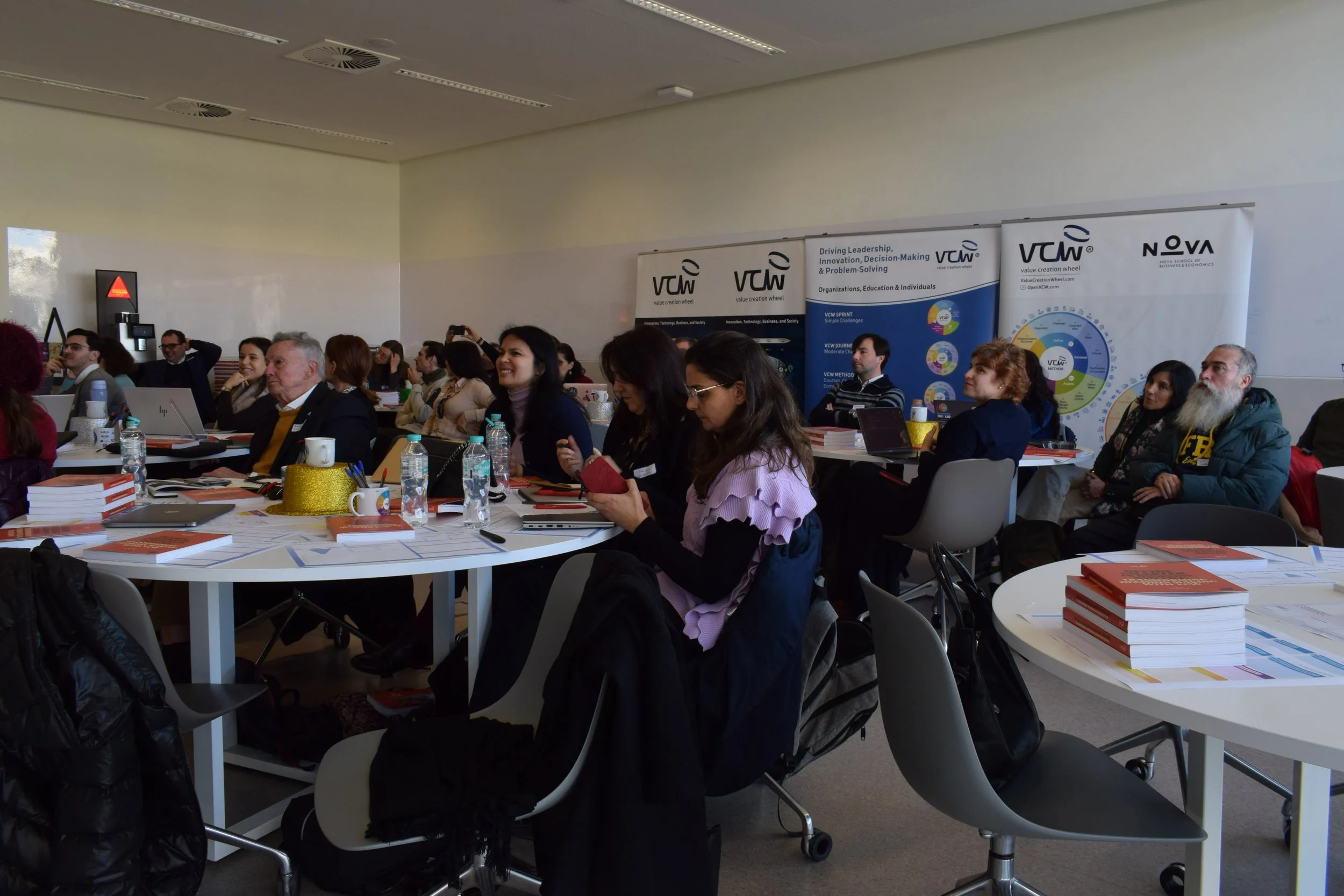
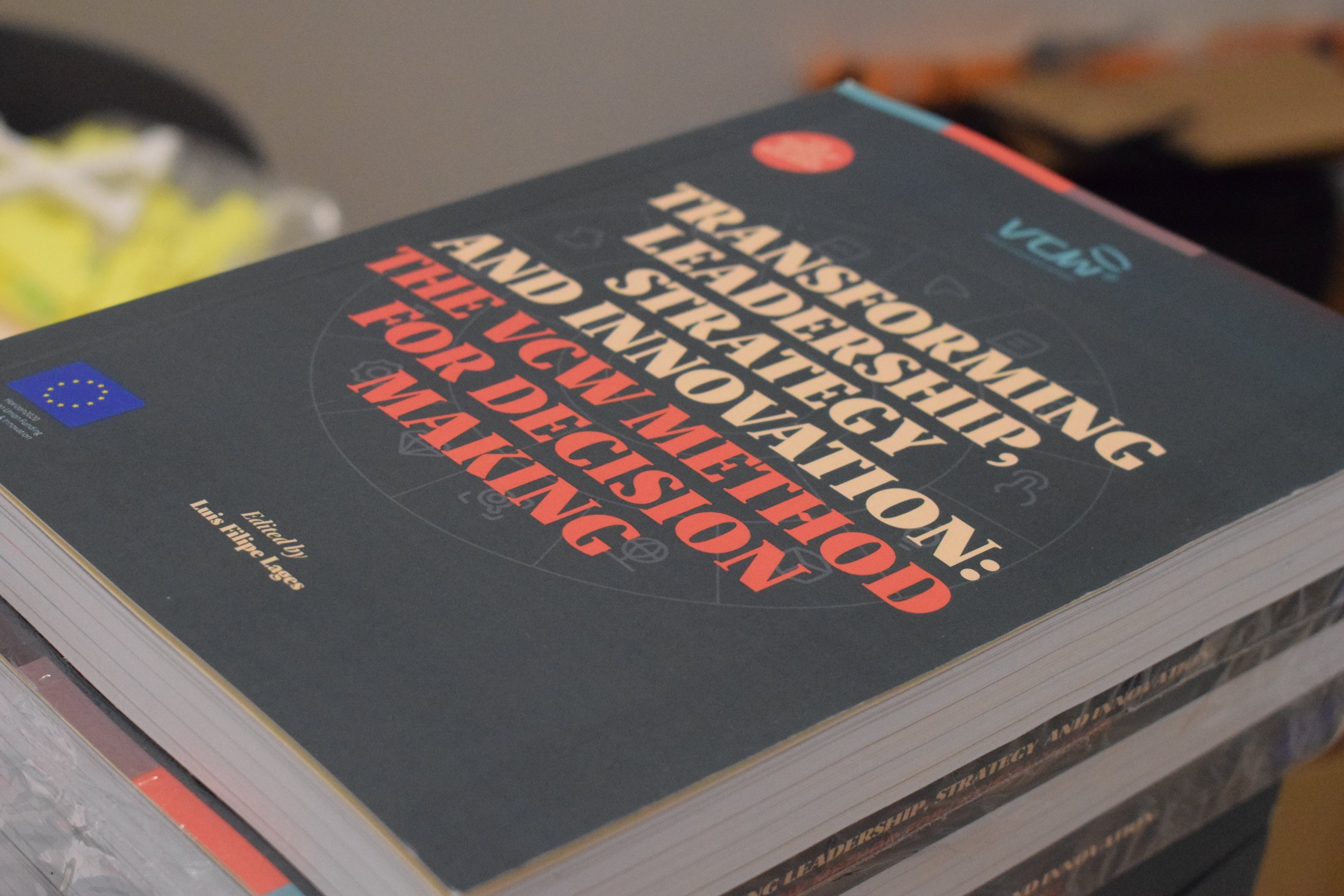
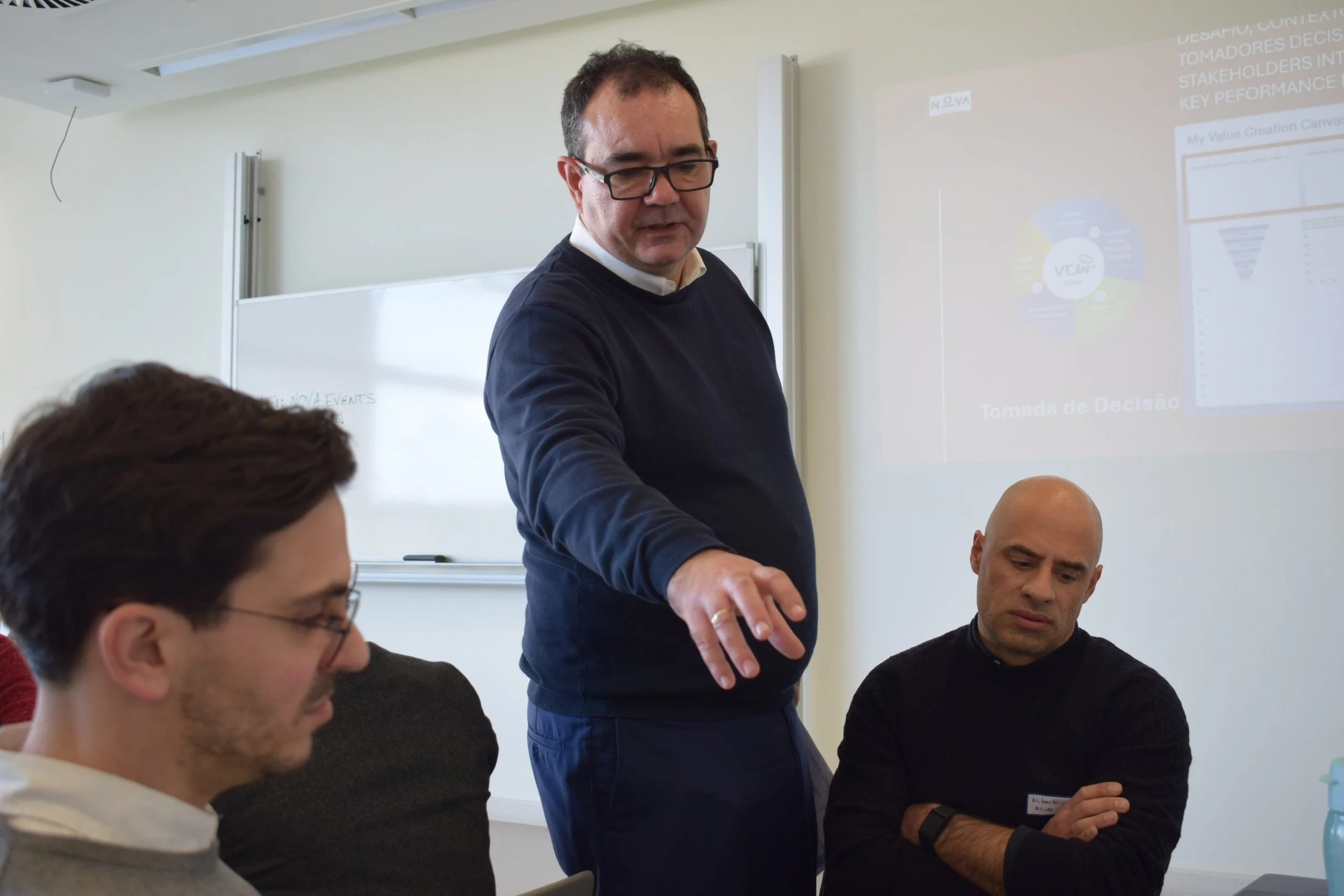
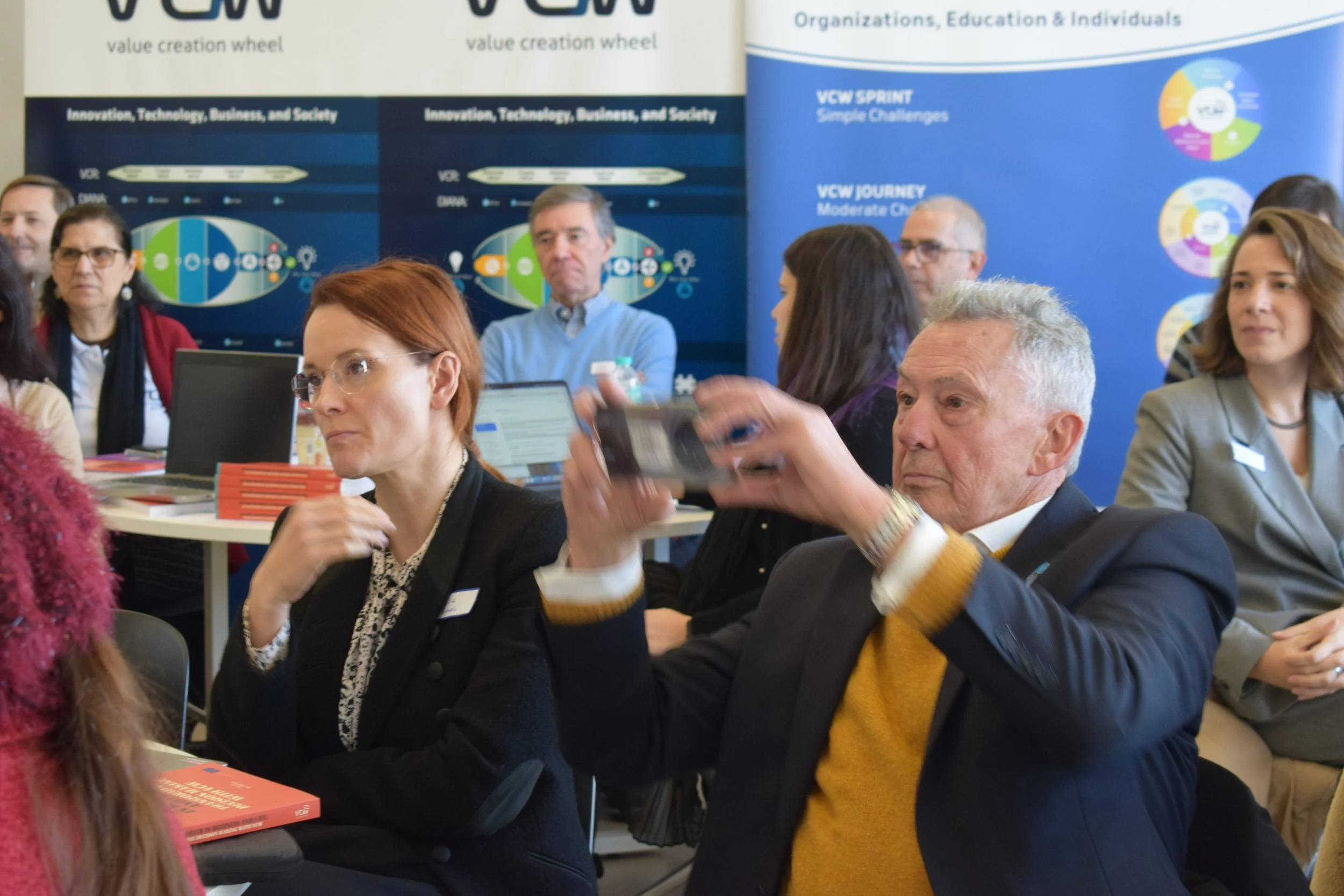

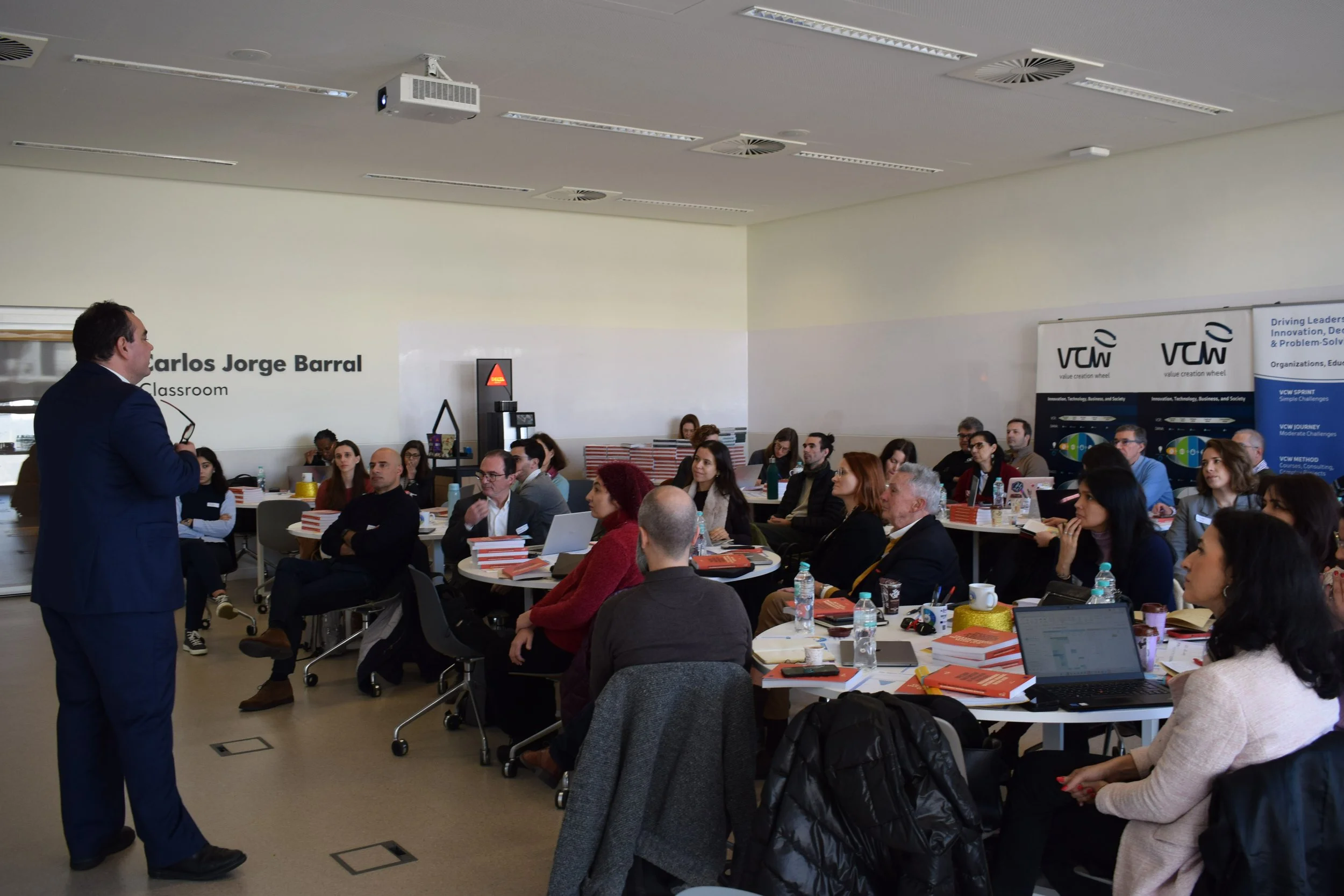
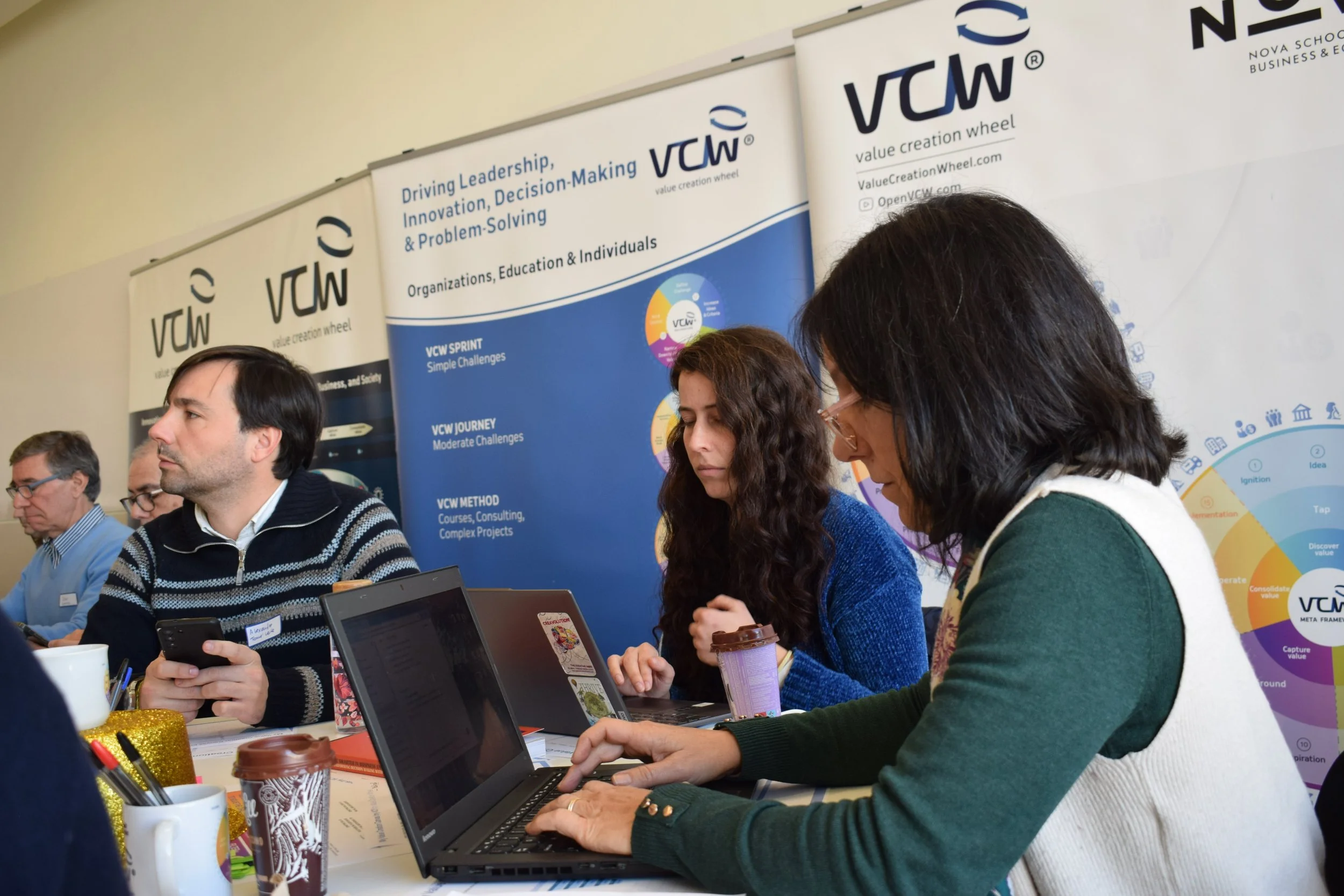

Horizon Europe context and partnership opportunities
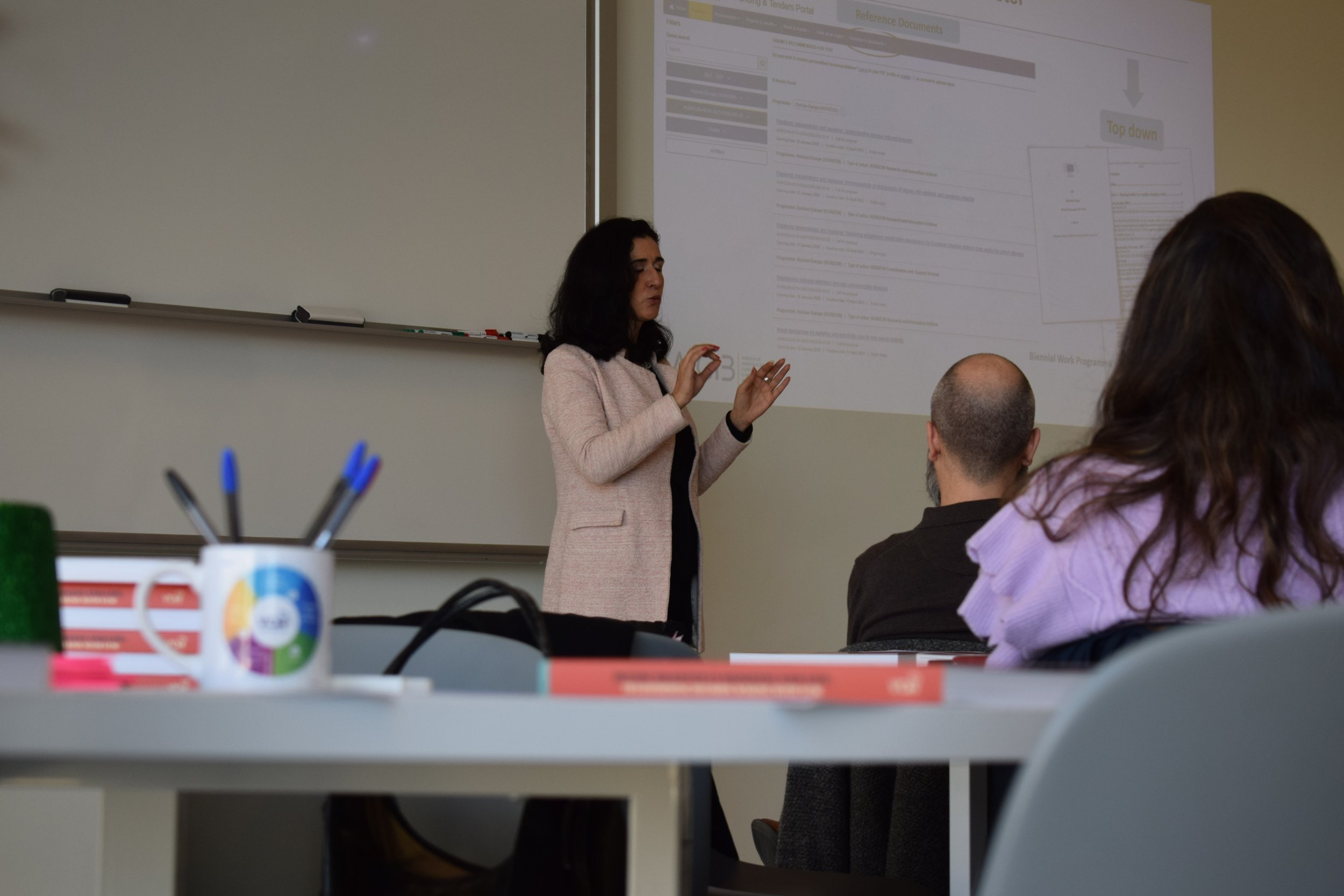
Between 2026 and 2027, Horizon Europe will allocate approximately €14 billion across European organizations to work on cross-national projects. Below, you can explore the Horizon Europe calls for the 2026–2027 programming period, organized by Cluster to reflect the Horizon Europe framework and to facilitate the identification of opportunities aligned with your project, sector, or strategic priorities.
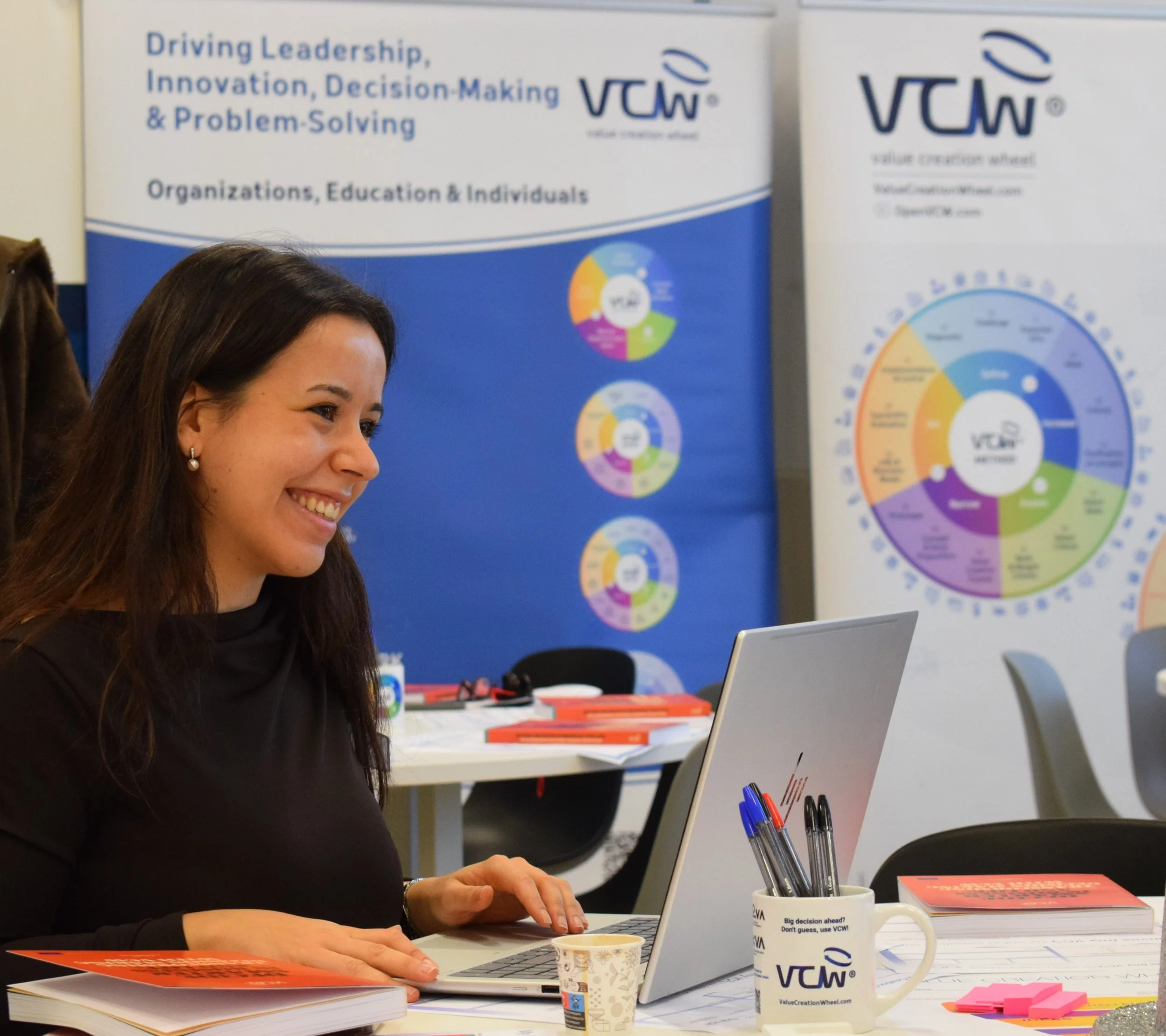
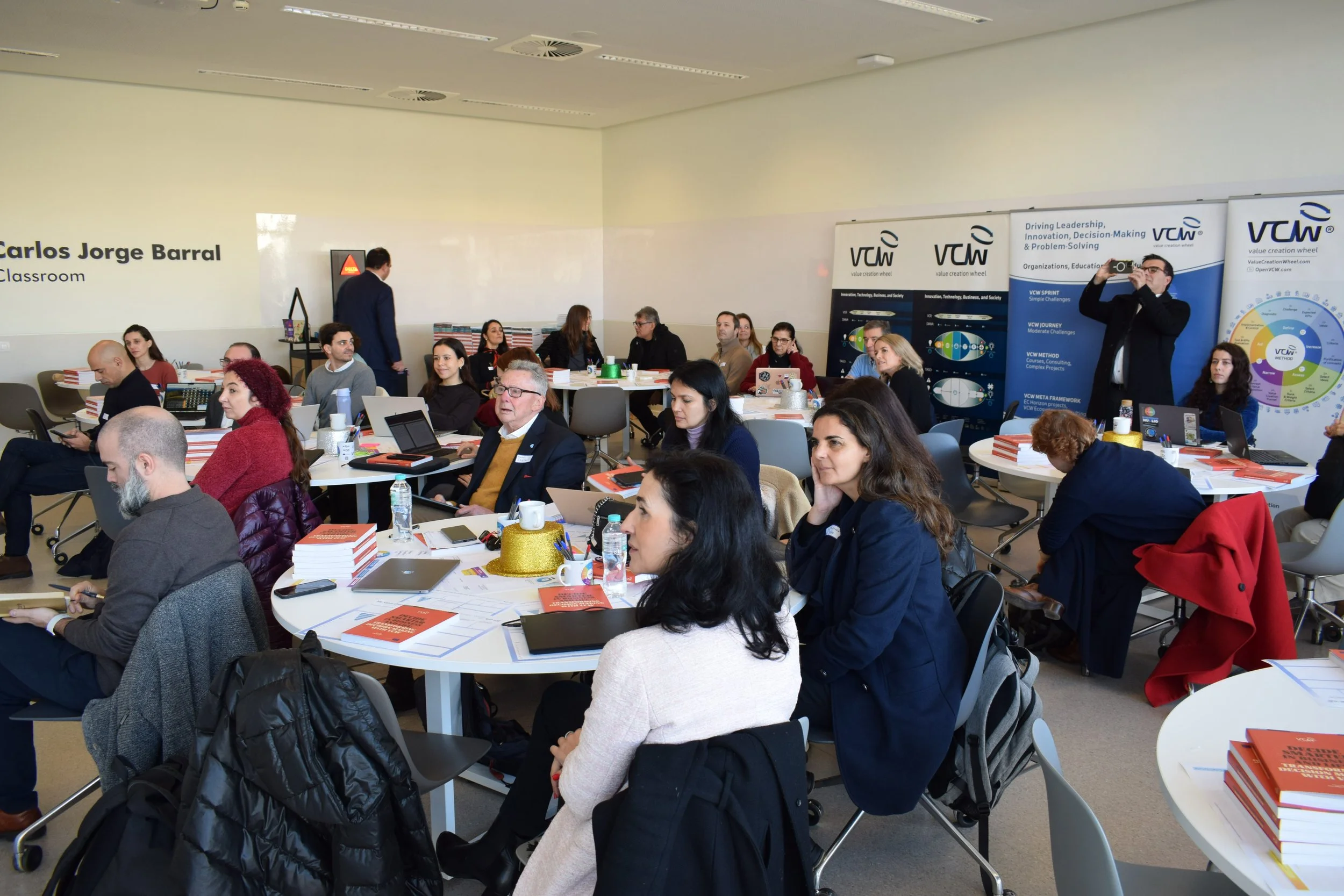
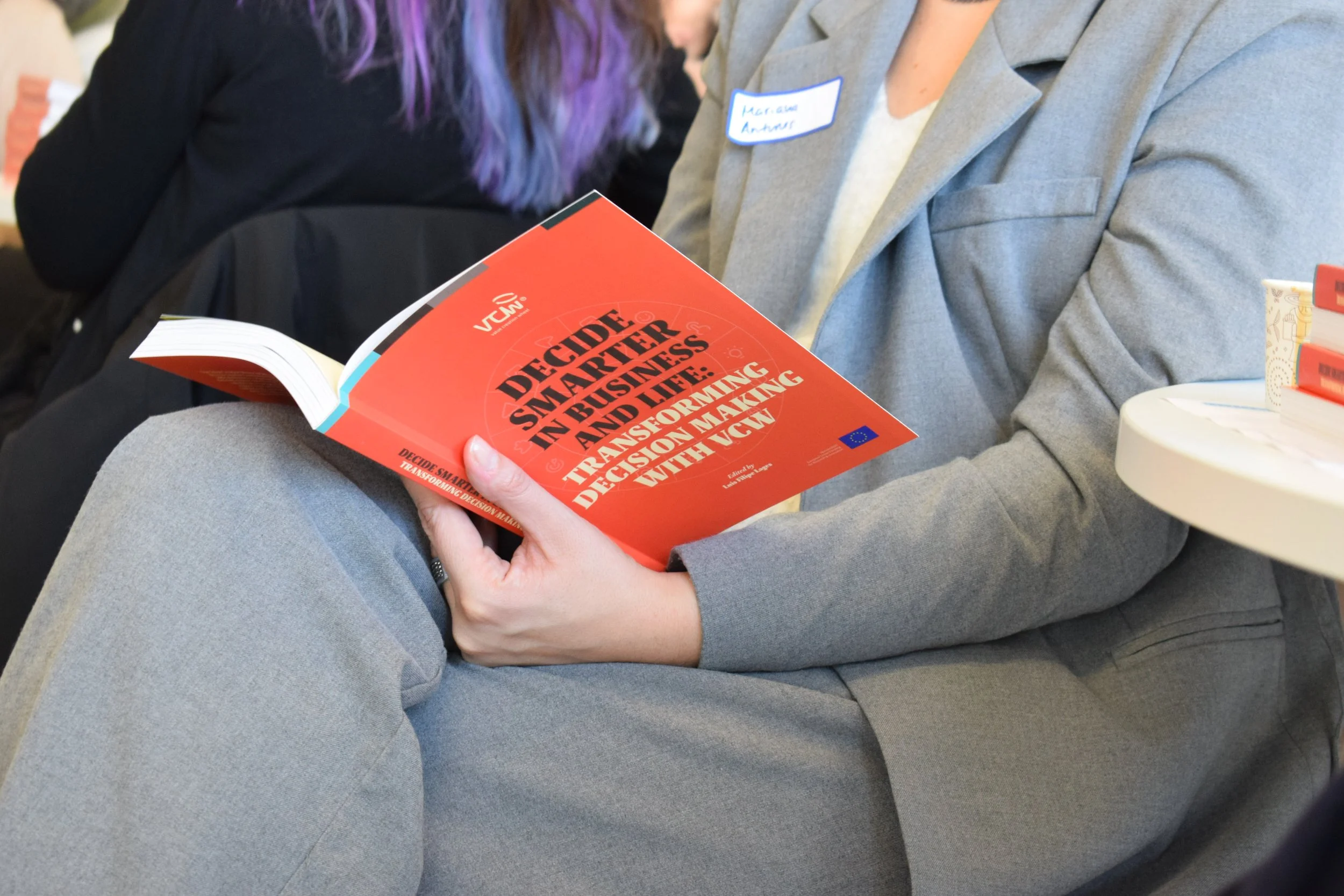
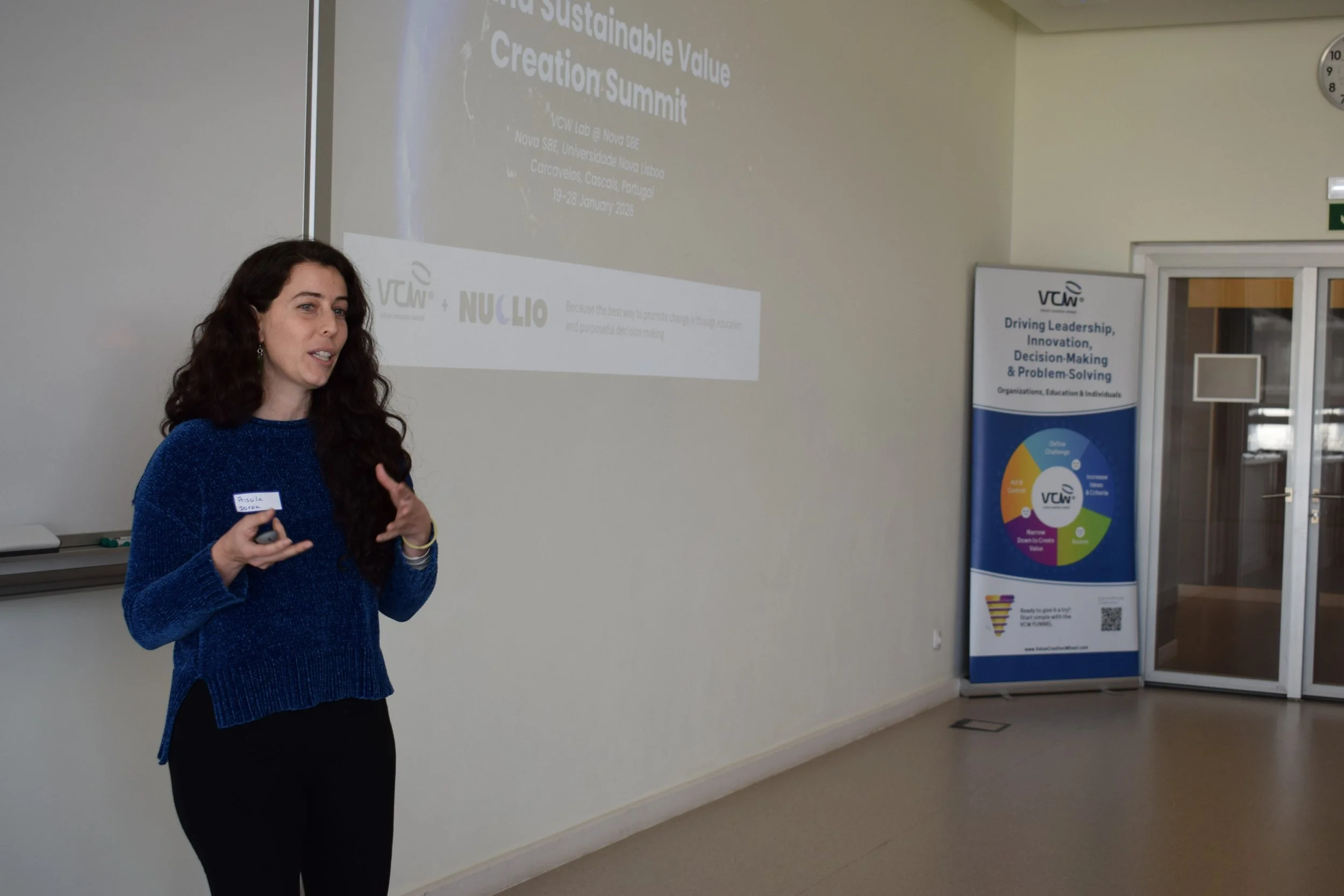
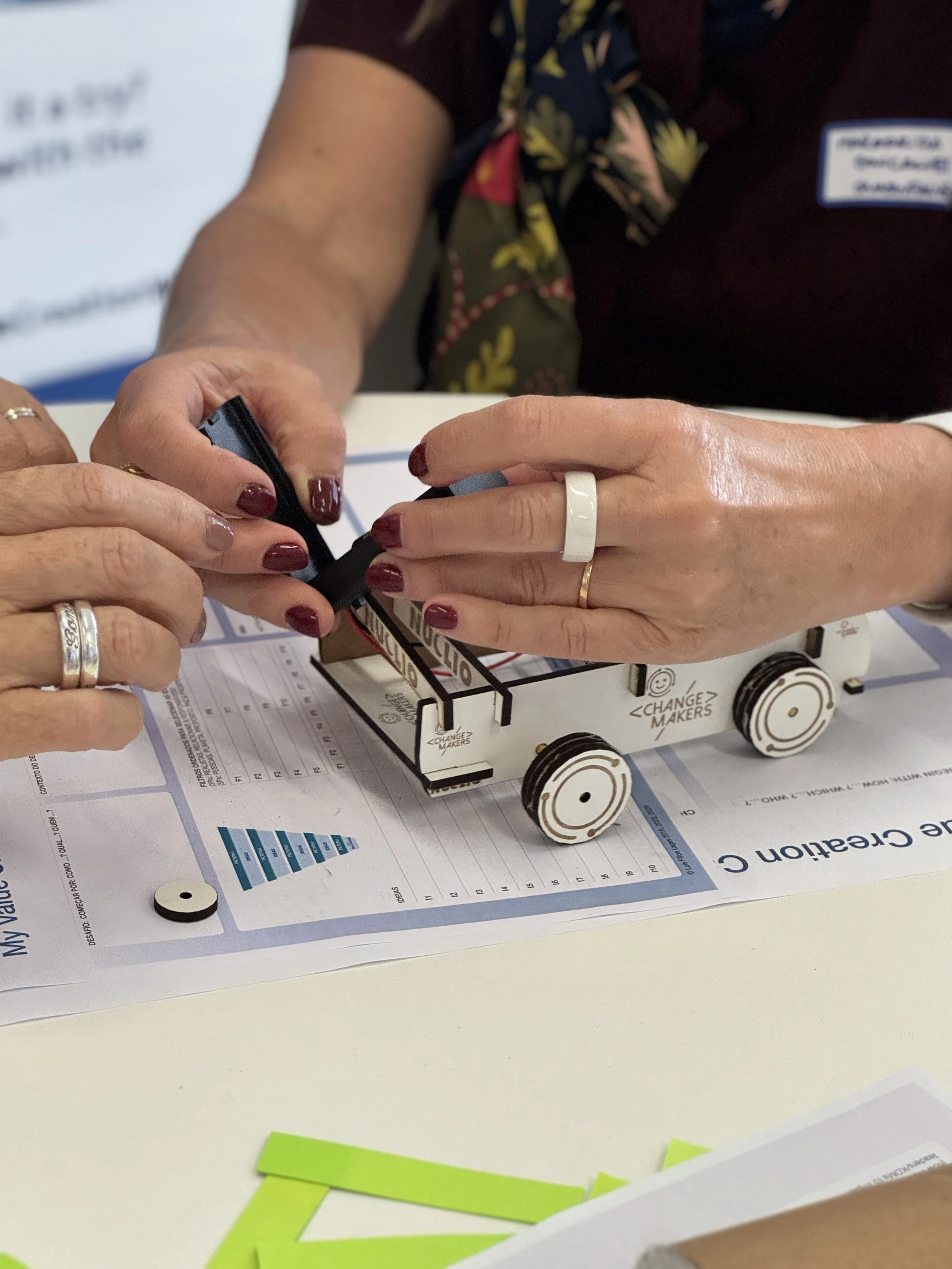
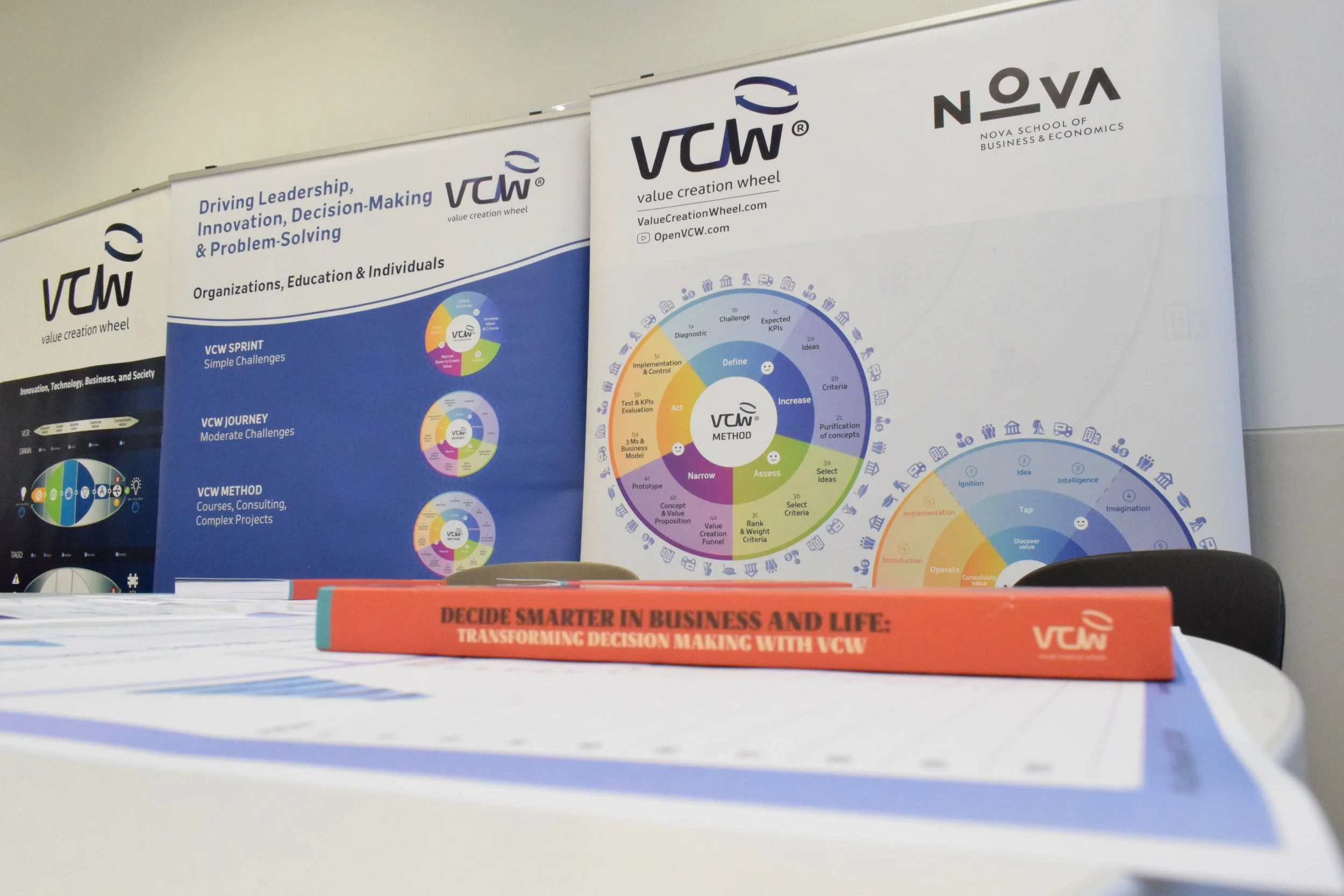
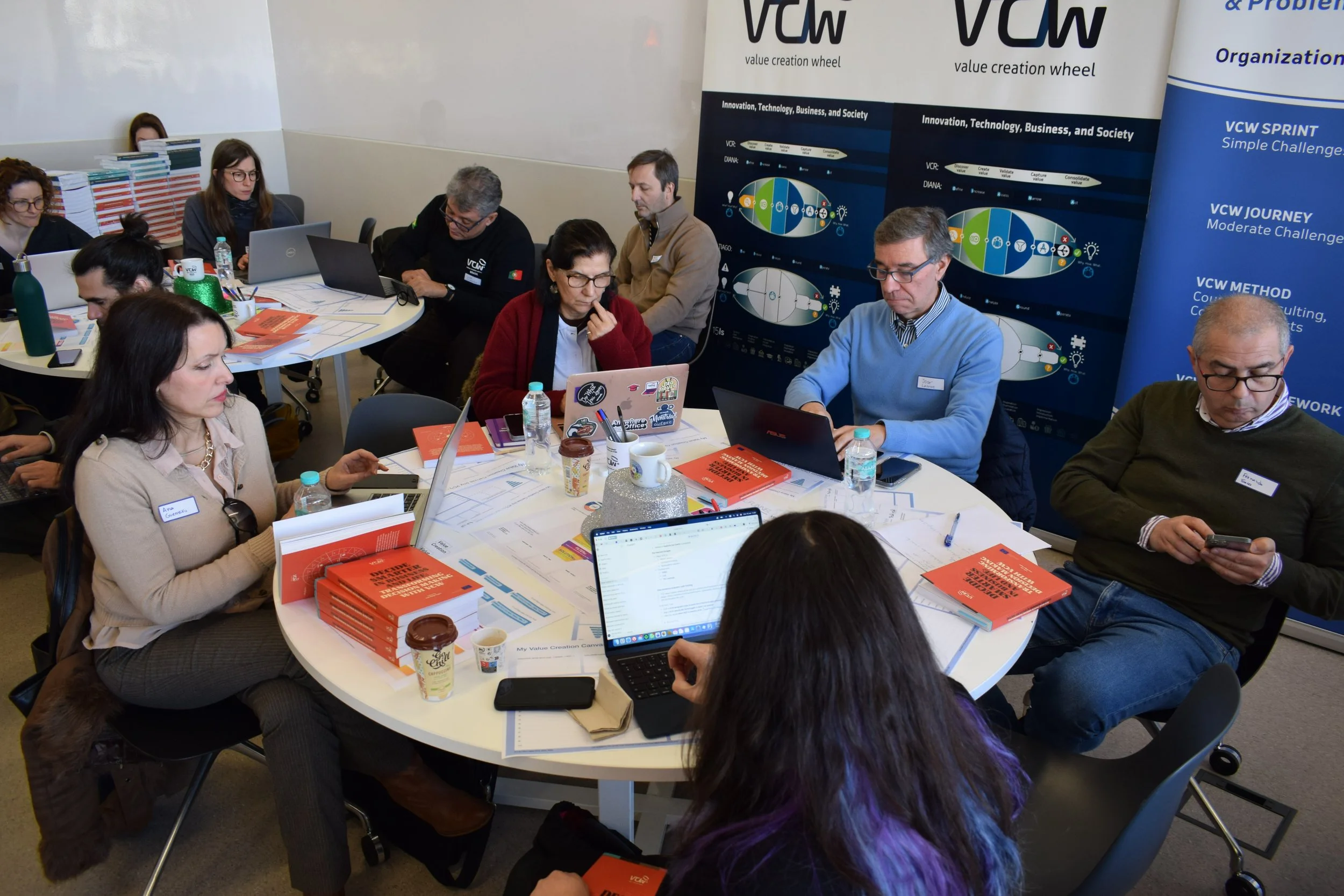
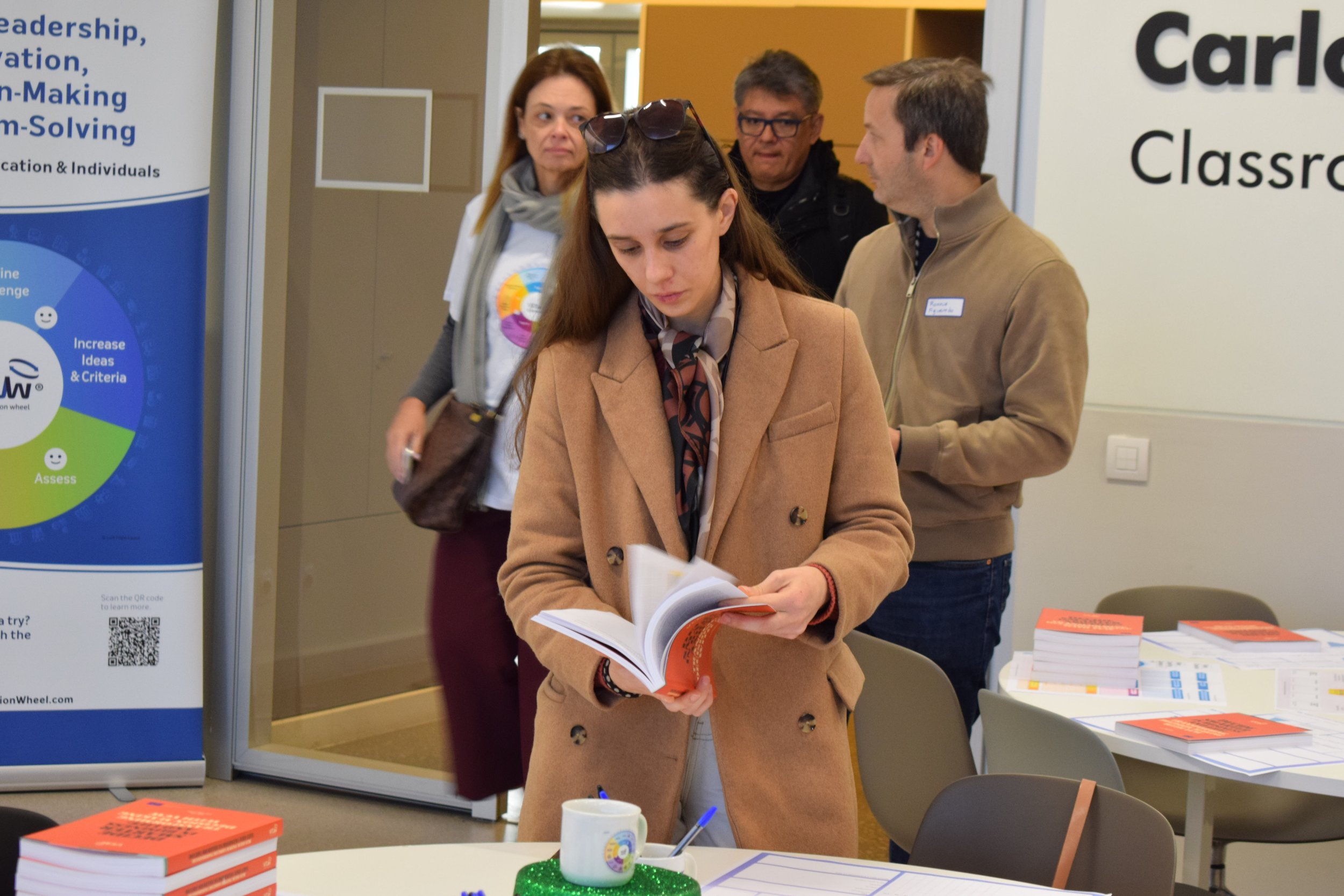
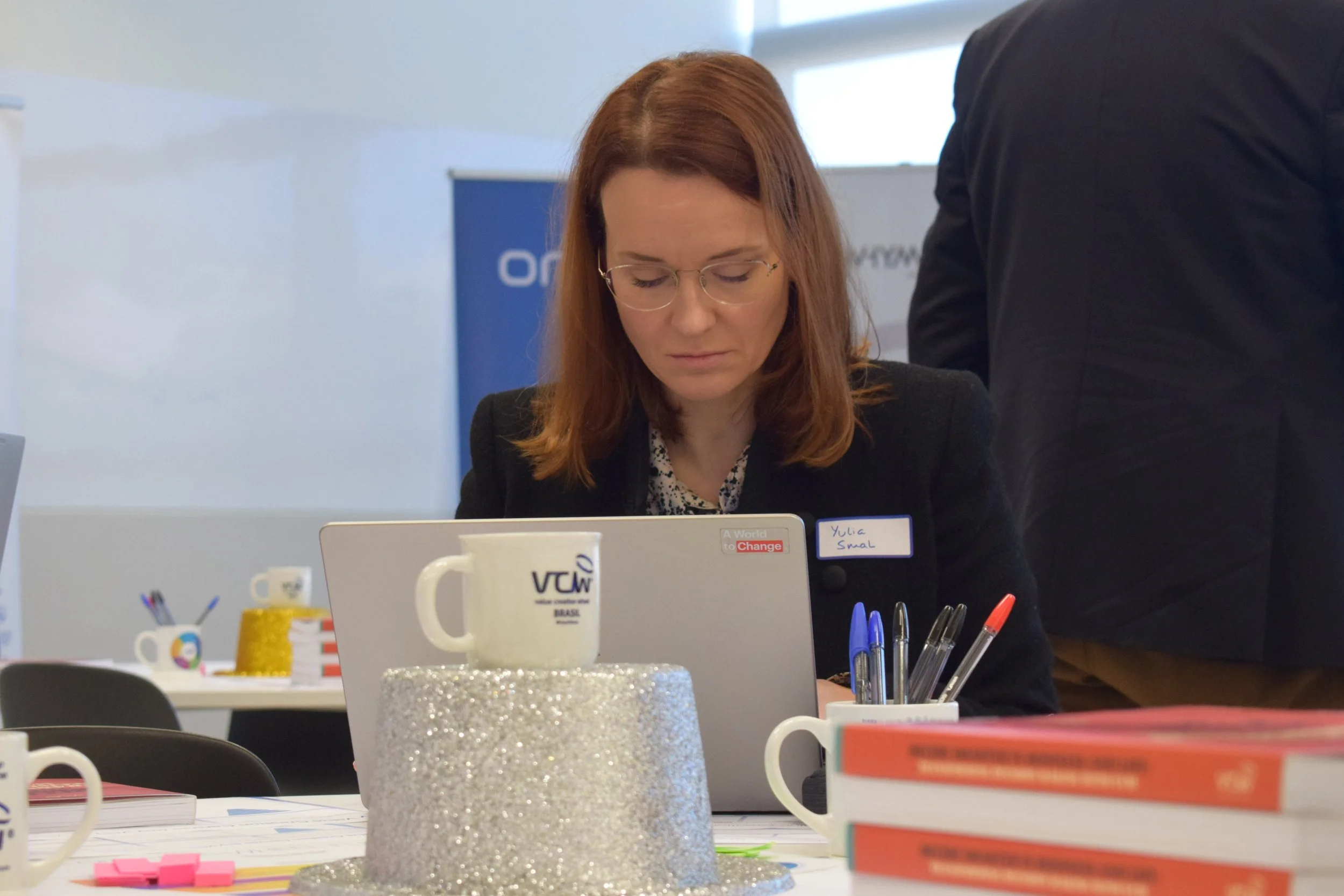
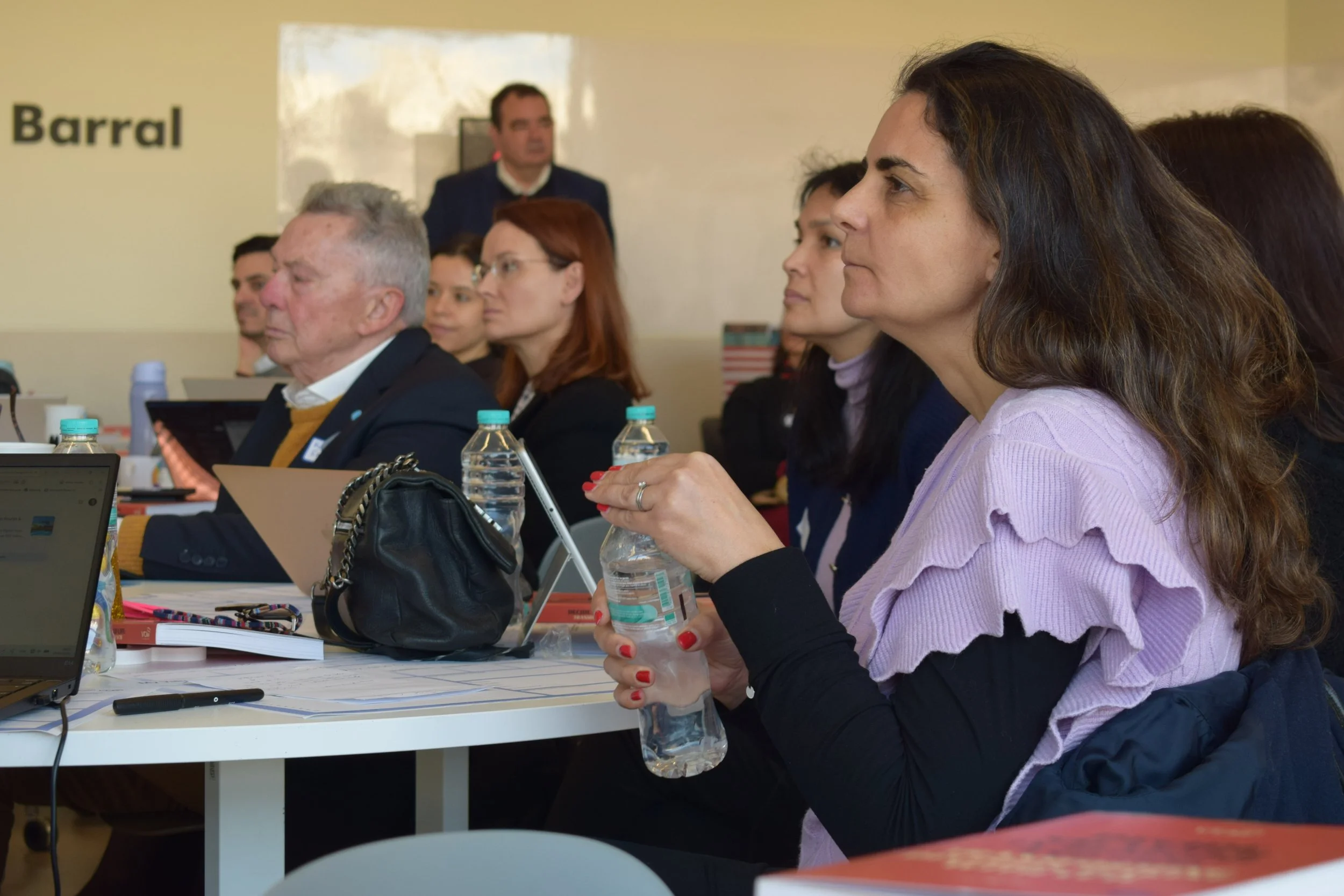
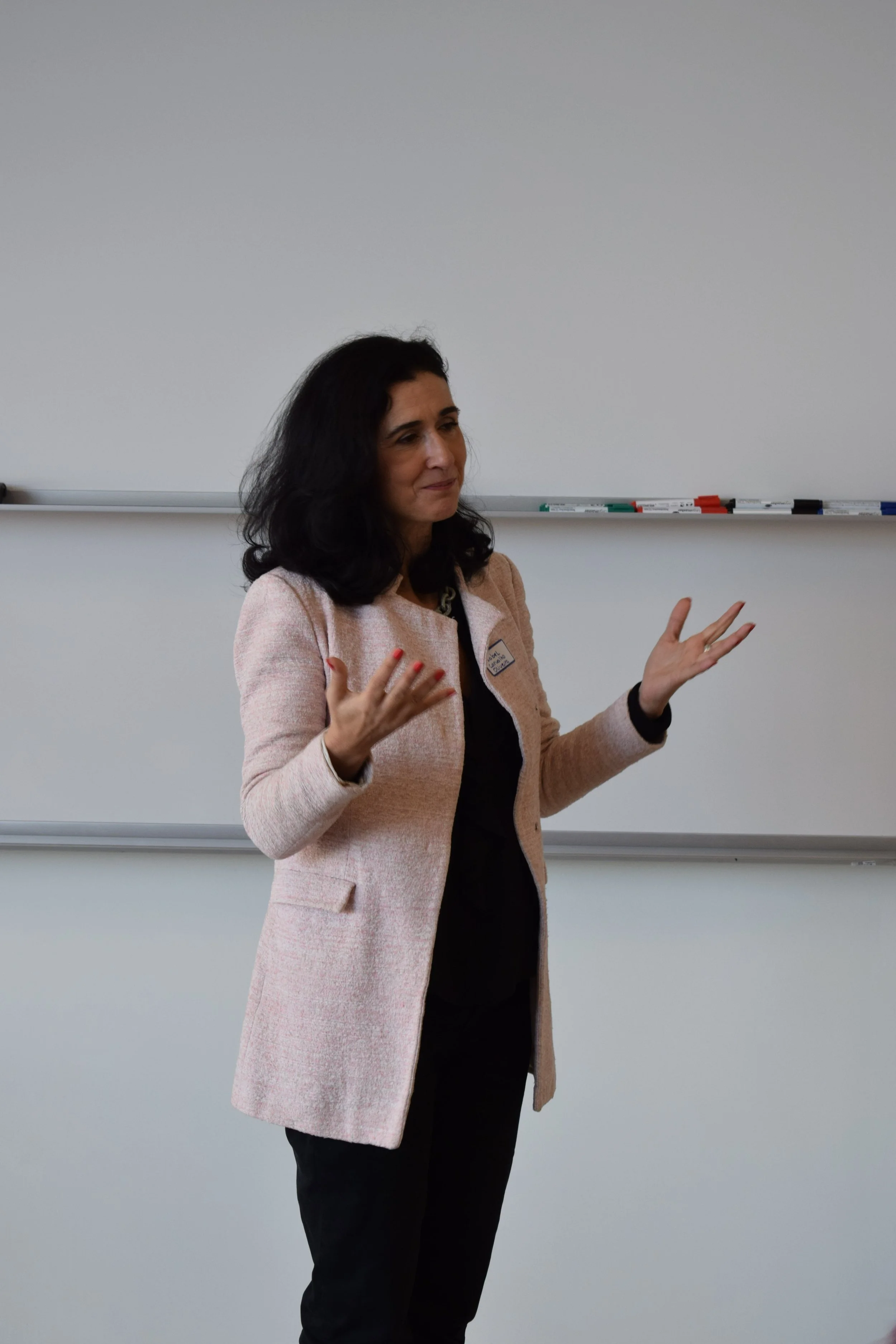
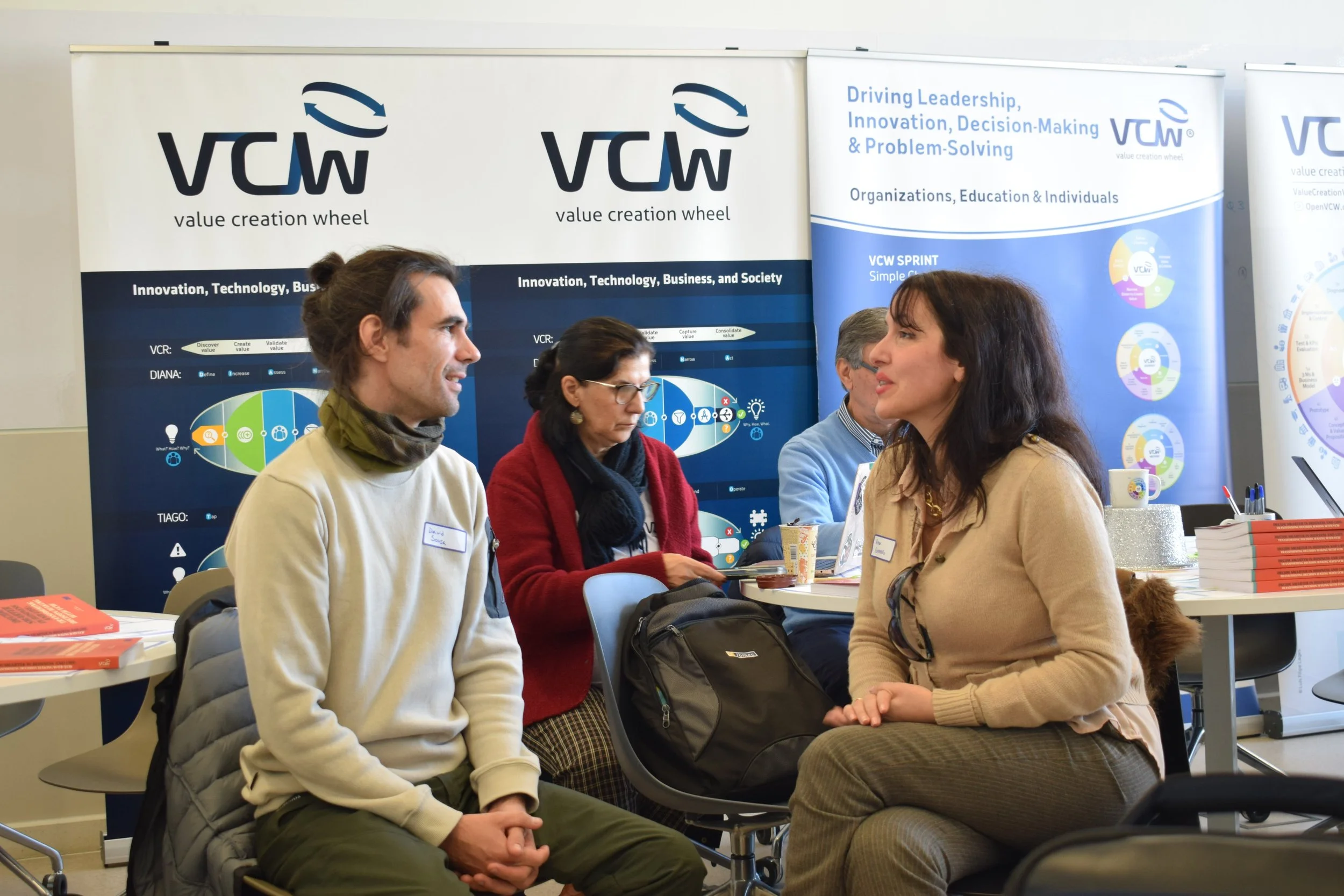
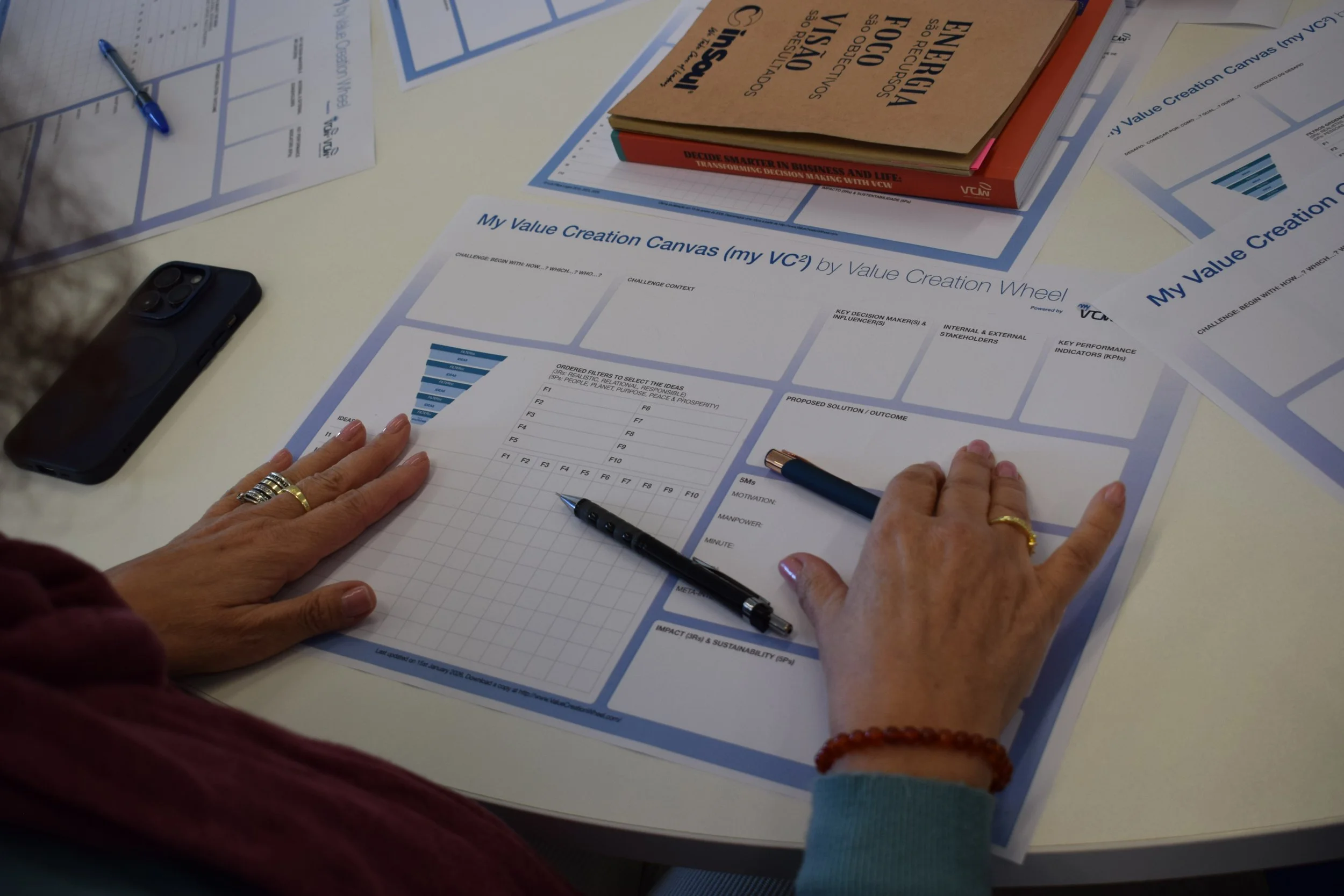
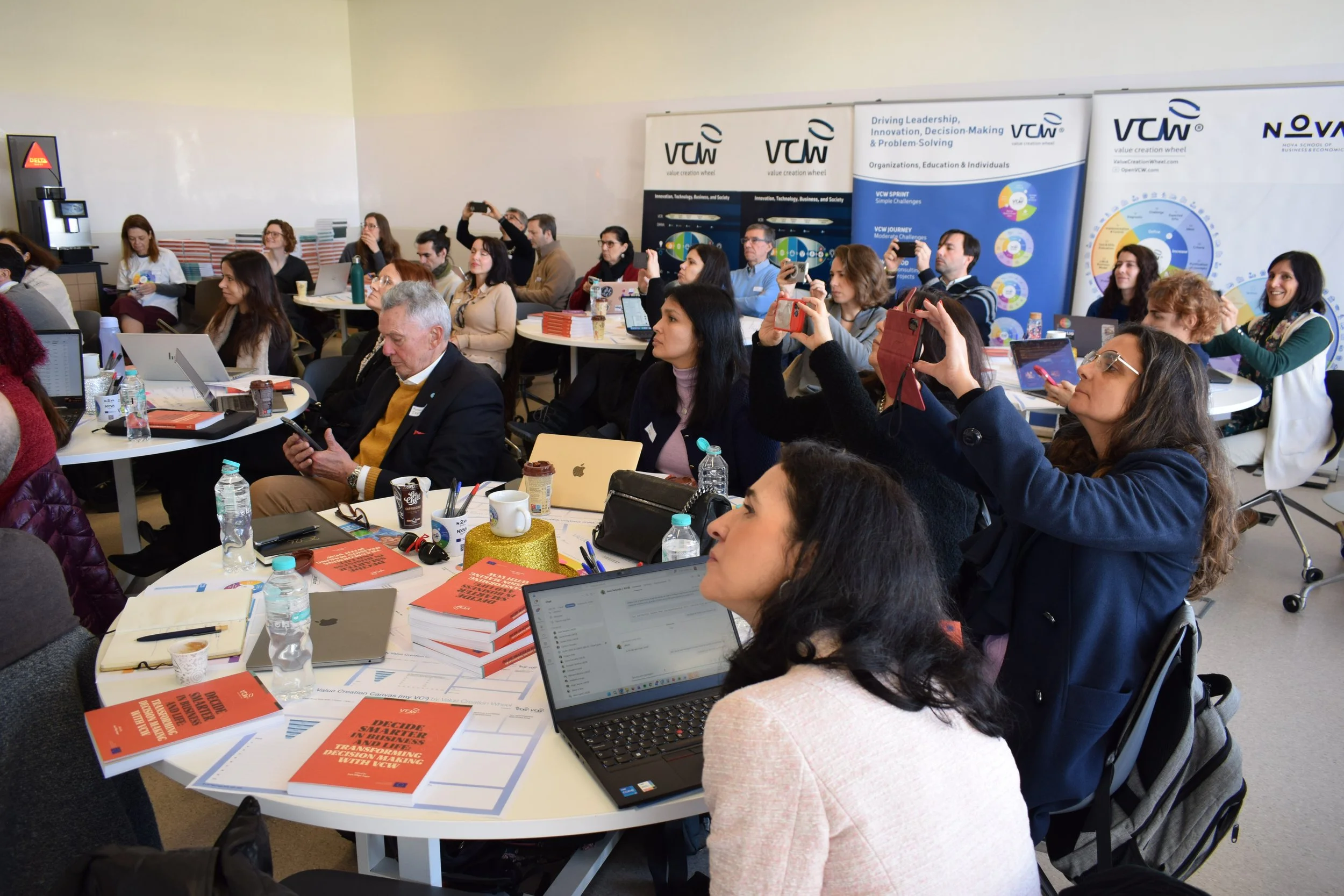
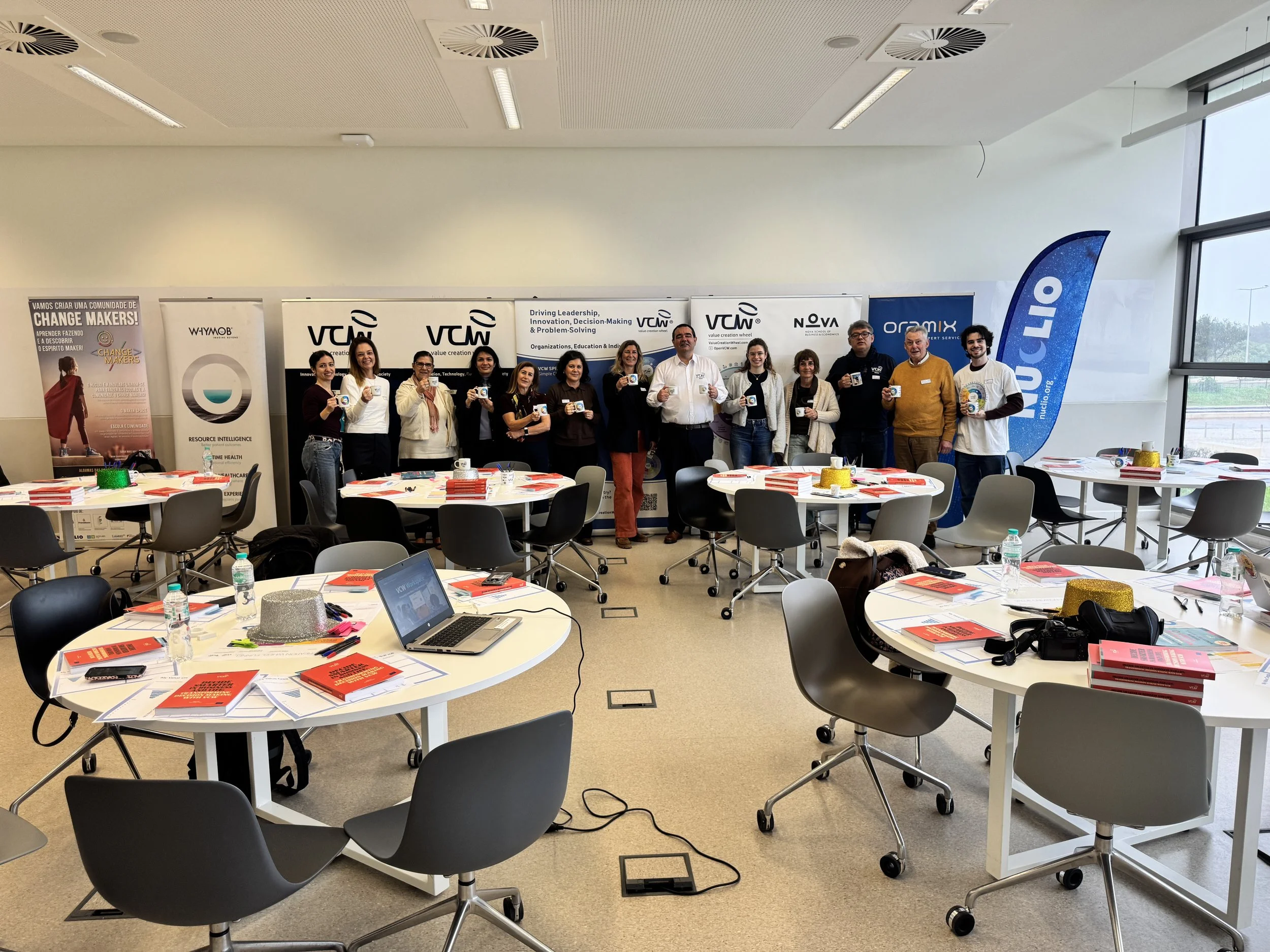
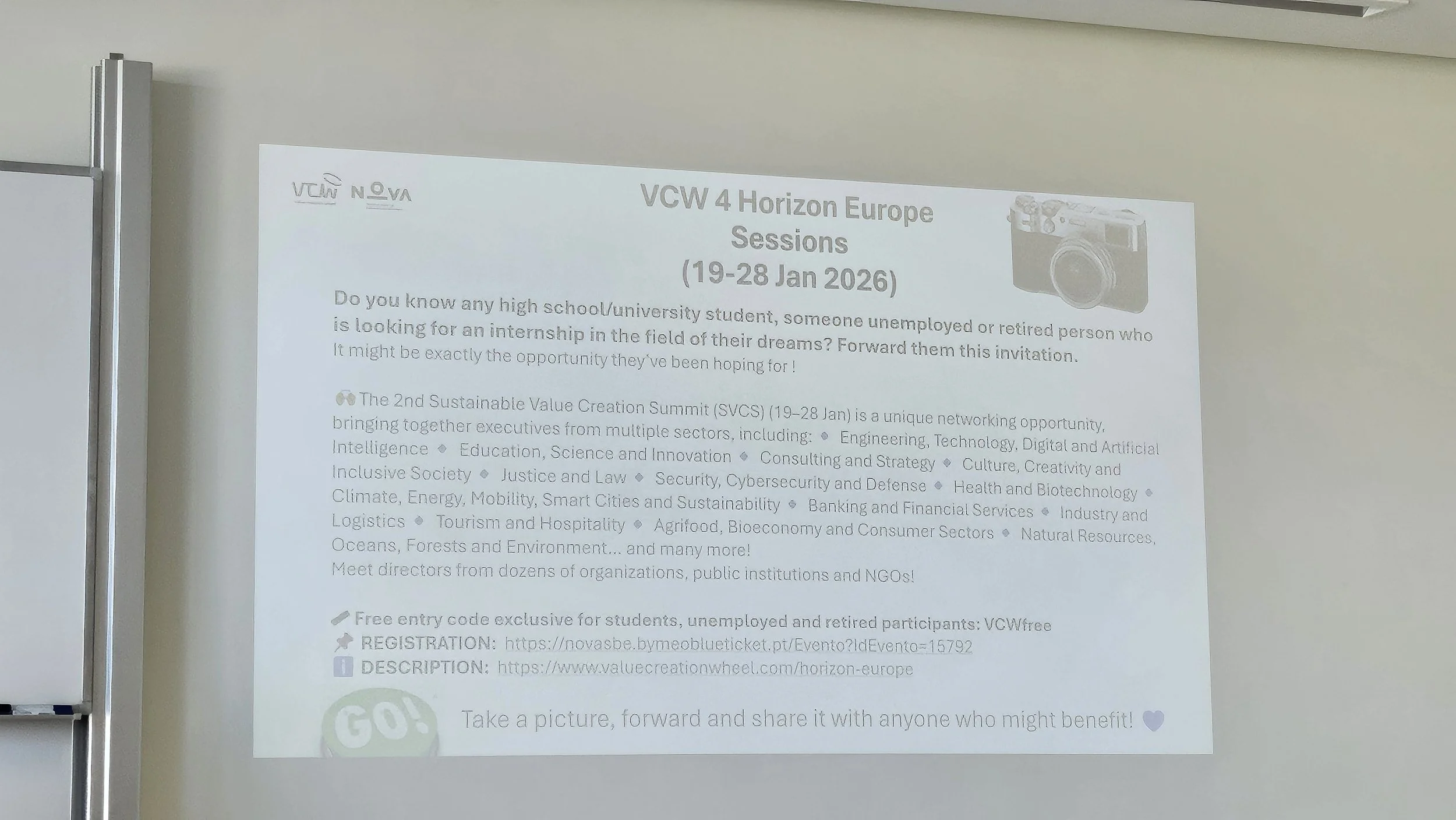
By attending the 2nd Sustainable Value Creation Summit (19–28 January 2026, Nova SBE) and visiting each Cluster page (see links below), participants can access detailed information on relevant calls, objectives, and funding opportunities, while simultaneously working on concrete challenges using the Value Creation Wheel methodology.
Event Overview:
SVCS: 19/01/2026- Cluster 1- Health
SVCS: 20/01/2026- Cluster 2- Culture, Creativity & Inclusive Society
SVCS: 21/01/2026- Cluster 3- Civil Security for Society
SVCS: 22/01/2026- Education, Science & Innovation | All Clusters and All EU Missions
SVCS: 23/01/2026- Leaders and Executives from Organizations, Public Institutions & Non Governmental Organizations (NGOs) | All EU Missions
SVCS: 26/01/2026- Cluster 4- Digital, Industry & Space
SVCS: 27/01/2026- Cluster 5- Climate, Energy & Mobility
SVCS: 28/01/2026- Cluster 6- Food, Bioeconomy, Natural Resources, Agriculture & Environment
-

Day 4 – Education, Science & Innovation | All Clusters and All EU Missions
Thursday, 22 January 2026
A cross-cutting day bringing together education systems, scientific knowledge, research excellence, and innovation ecosystems across all thematic clusters and EU Missions, focusing on how learning, science, and innovation translate into sustainable value creation and long-term societal impact.
-

Day 5 - Leaders and Executives from Organizations & Public Institutions | All EU Missions
Friday, 23 January 2026
A leadership-focused day convening executives, policymakers, and senior decision-makers from organizations and public institutions across all EU Missions, addressing strategic governance, organisational transformation, and long-term value creation in complex and uncertain environments.