
EU Mission: Cancer
Cancer is a major public health challenge in Europe, and the EU Cancer Mission aims to reduce its burden by integrating research, innovation, and policy with a strong focus on prevention, early detection, treatment, and quality of life. It works in close alignment with Europe’s Beating Cancer Plan to reverse current trends and improve outcomes for patients and society.
Cancer burden and trends
Cancer affects people of all ages and backgrounds and places a heavy emotional, social, and economic burden on patients, families, and health systems.
Each year in Europe, around 2.7 million people are diagnosed with cancer and approximately 1.3 million die from the disease, with cases projected to exceed 3.24 million by 2040 due to ageing, lifestyle factors, and inequalities in prevention and care.
Purpose of the EU Cancer Mission
The EU Cancer Mission, together with Europe’s Beating Cancer Plan, forms the European Commission’s strategic response to these trends, aiming to curb incidence and mortality and improve survivorship.
It brings together research, innovation, and public health policy in a coordinated way that goes beyond what separate national or local initiatives could achieve alone.
Key objectives
The Mission’s work is organised around four pillars: deepening understanding of cancer; strengthening prevention and early detection; improving diagnosis and treatment; and enhancing quality of life for patients, survivors, and their families.
By funding research and co-creating solutions with citizens and stakeholders, it generates evidence and innovative concepts that can be translated into concrete policy and practice.
Integration and cross-cutting themes
The Cancer Mission is fully integrated with Europe’s Beating Cancer Plan and leverages synergies with other EU programmes to implement a genuine mission-oriented approach.
It also prioritises cross-cutting themes such as citizen and stakeholder engagement, equitable access to prevention and care, childhood cancers, innovation, and personalised medicine, ensuring that advances benefit people across all regions and groups.
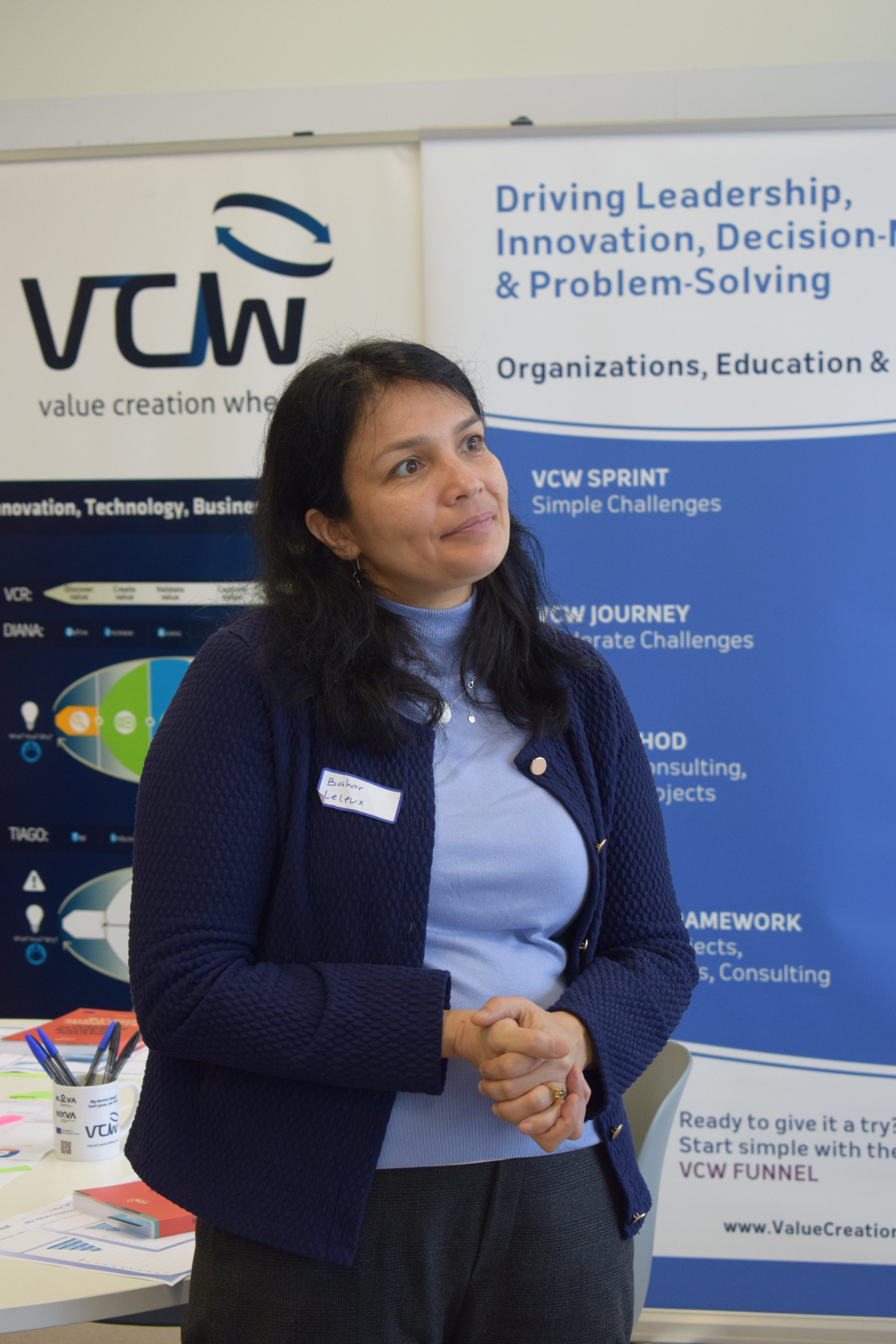
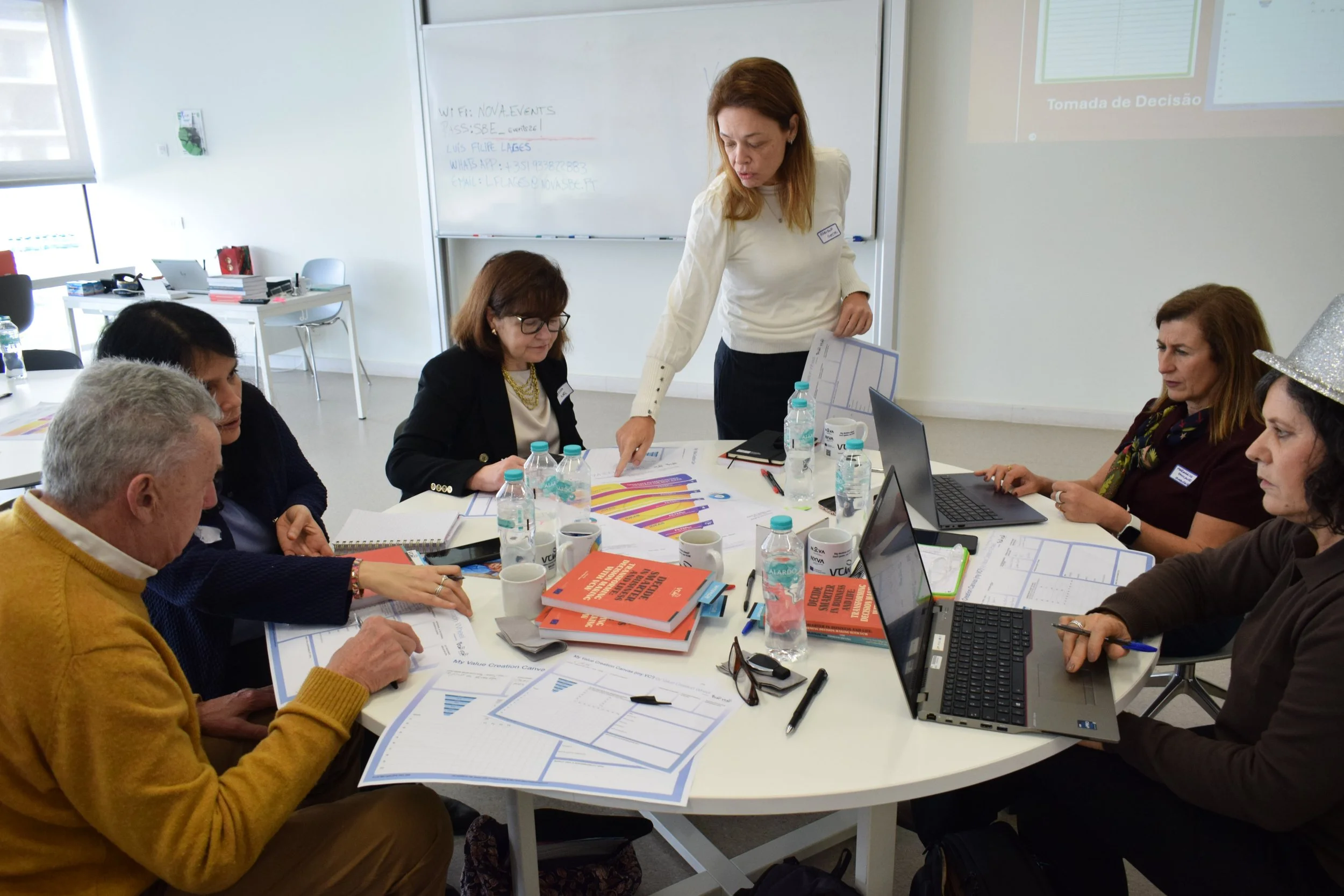
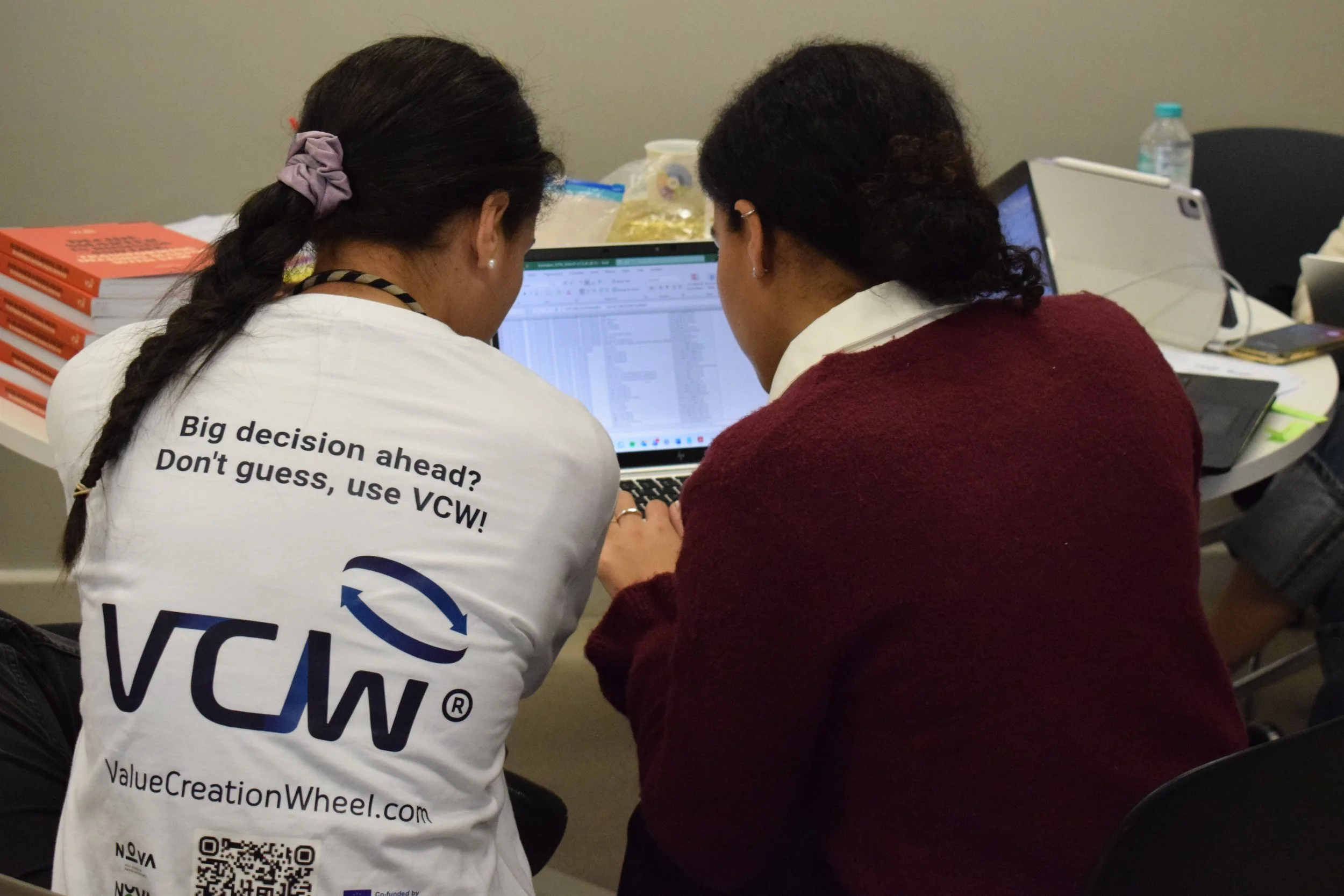
VCW for Funding Success:
Used by 300+ Leaders to Turn Ideas into Fundable Proposals and Avoid Costly Mistakes
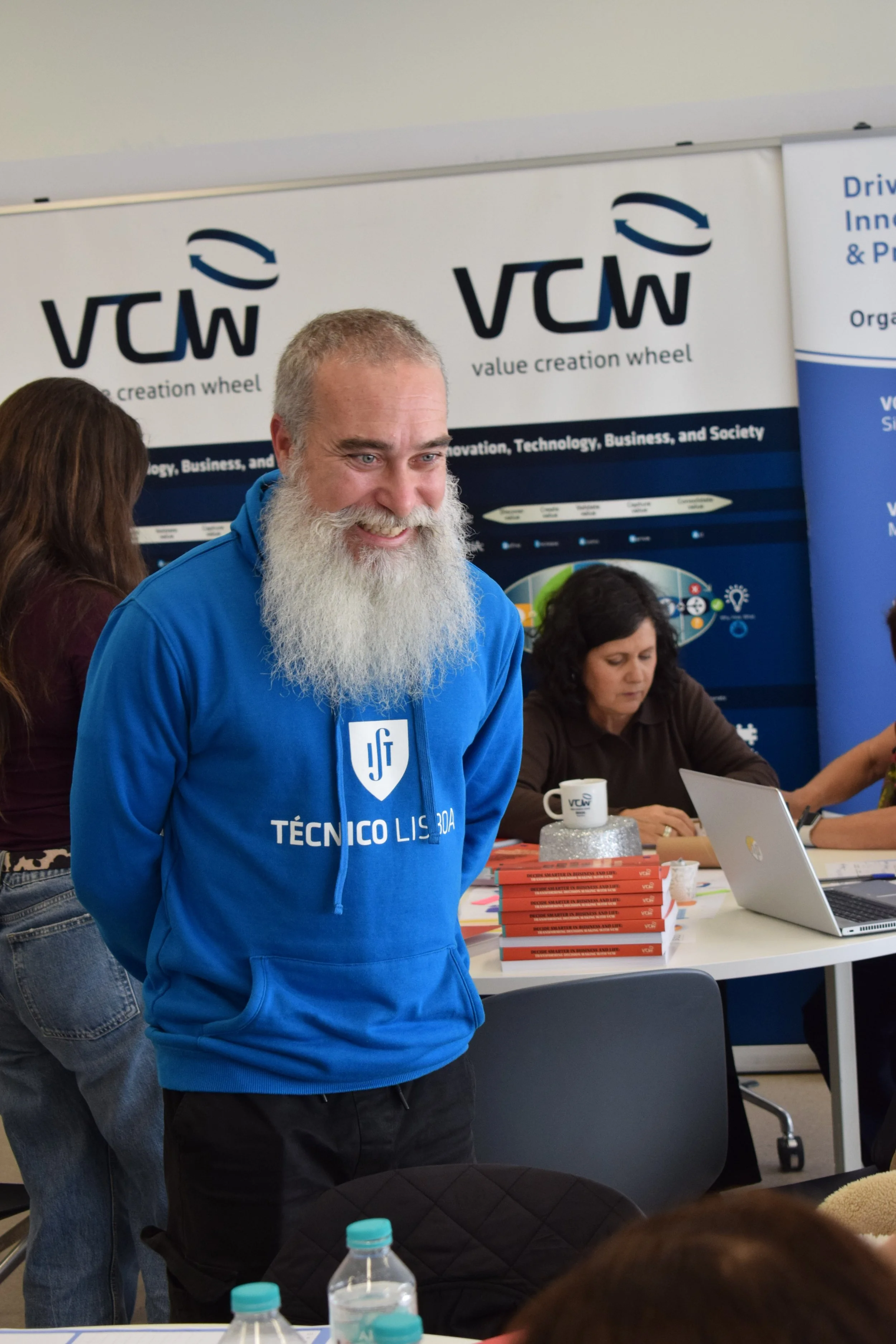
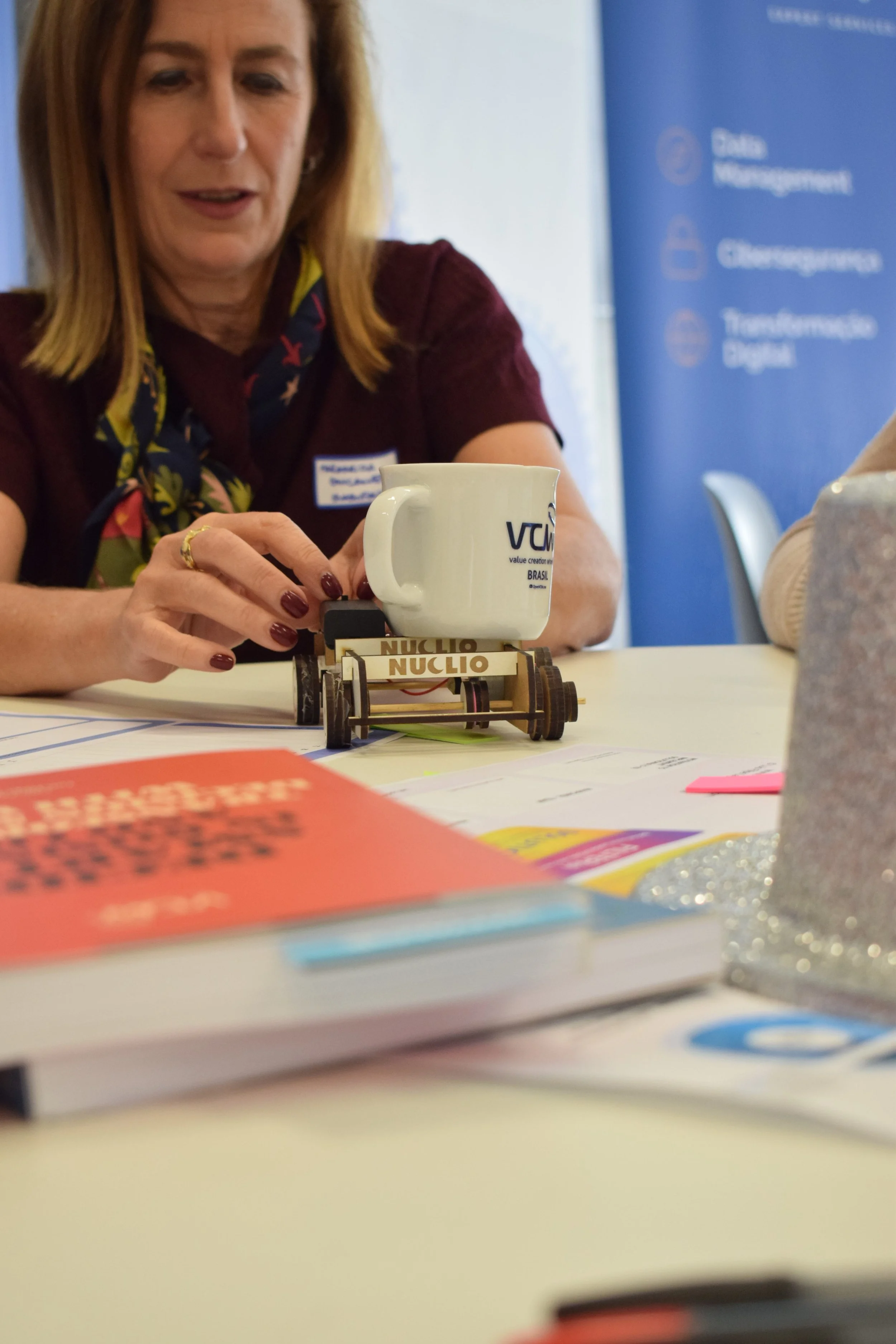
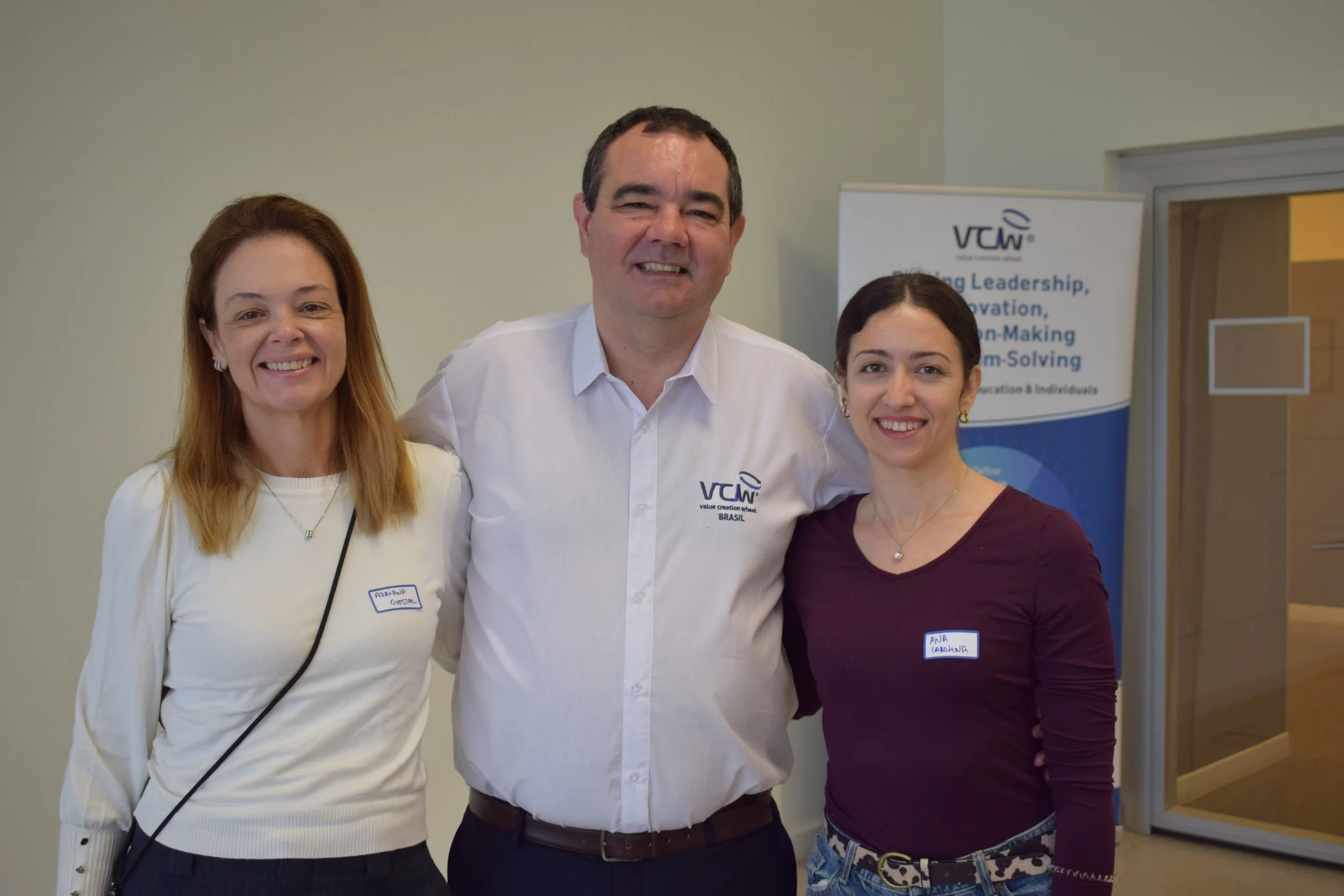
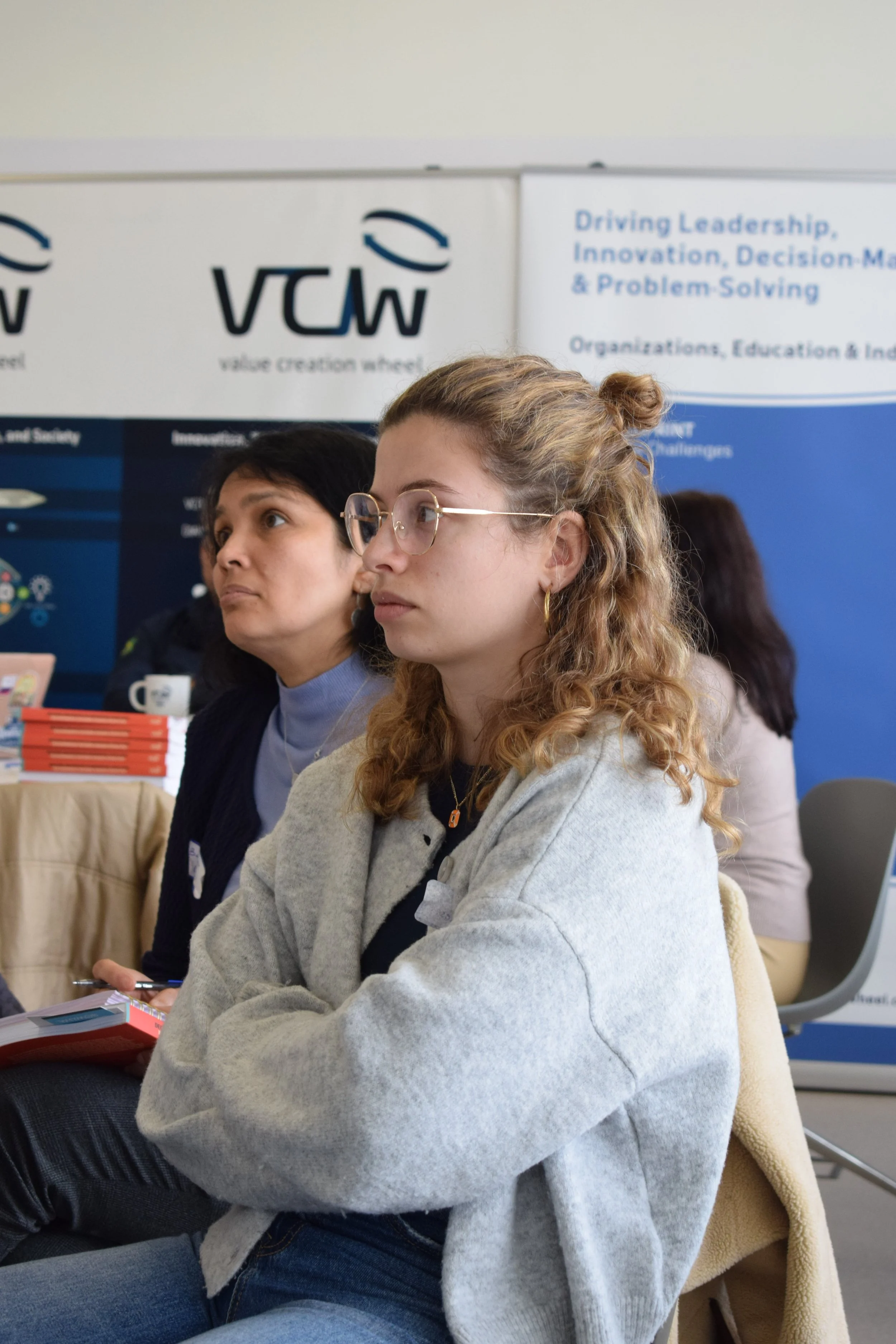
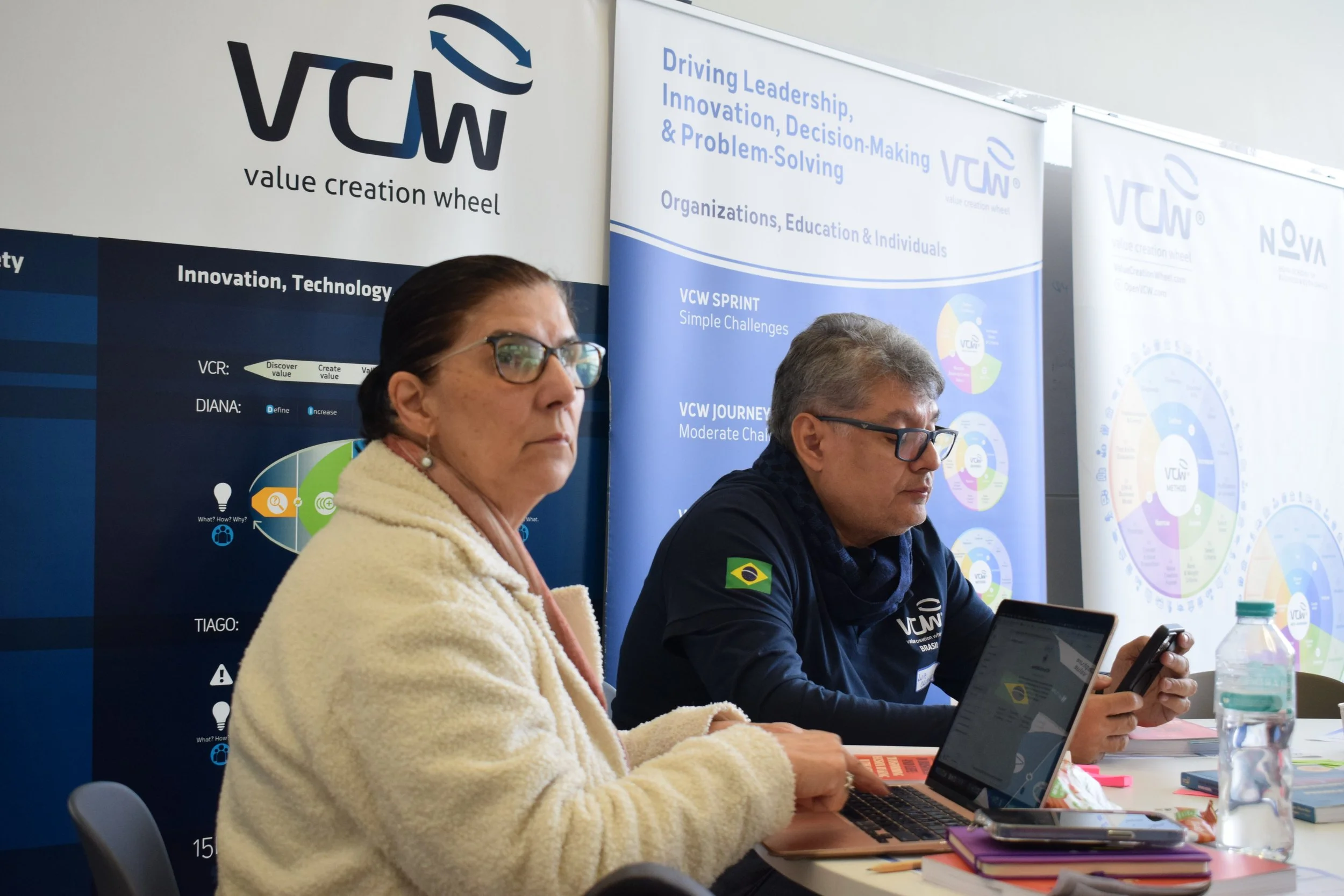
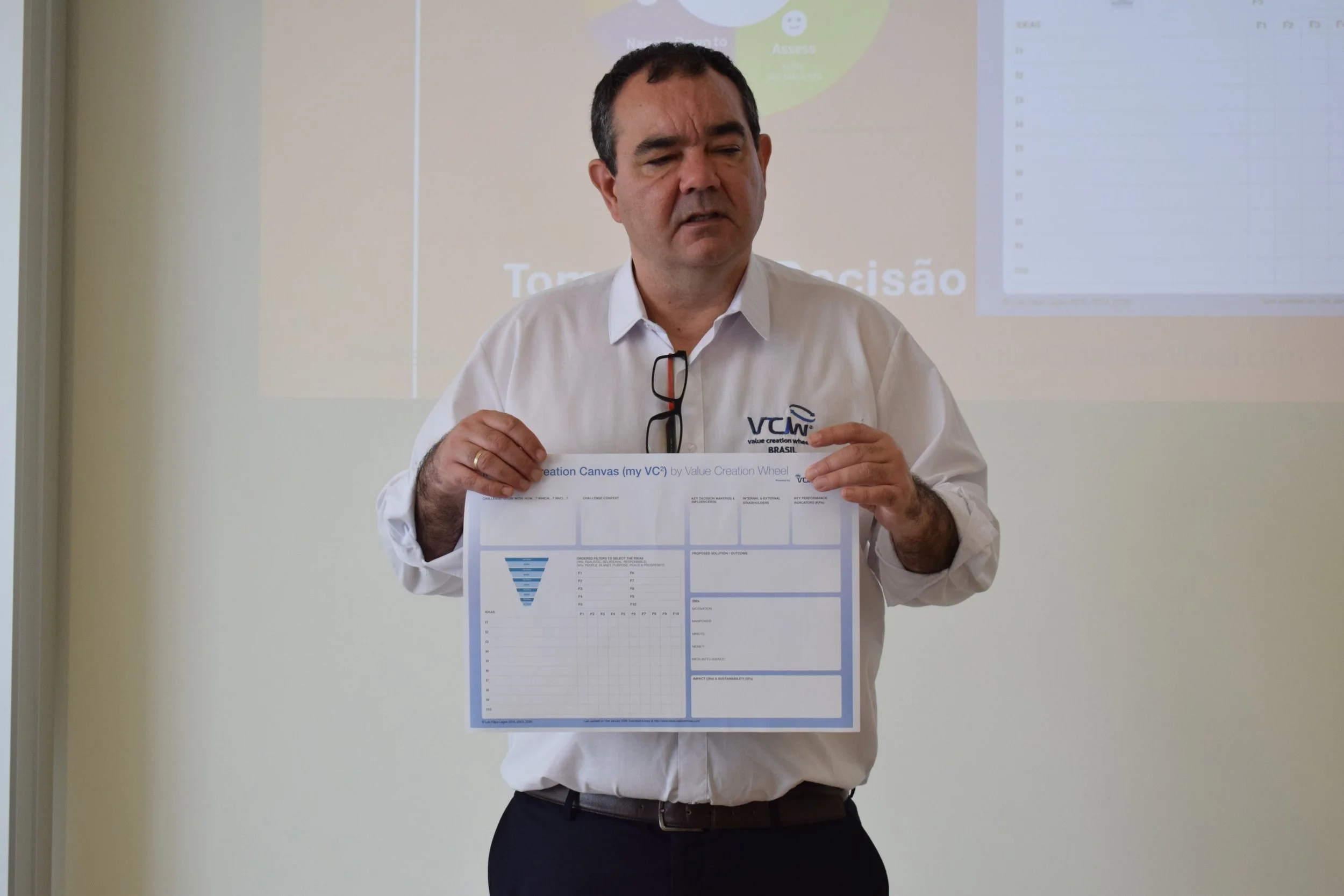
Horizon Europe context and partnership opportunities
Between 2026 and 2027, Horizon Europe will allocate approximately €14 billion across European organizations to work on cross-national projects. Below, you can explore the Horizon Europe calls for the 2026–2027 programming period, organized by Cluster to reflect the Horizon Europe framework and to facilitate the identification of opportunities aligned with your project, sector, or strategic priorities.
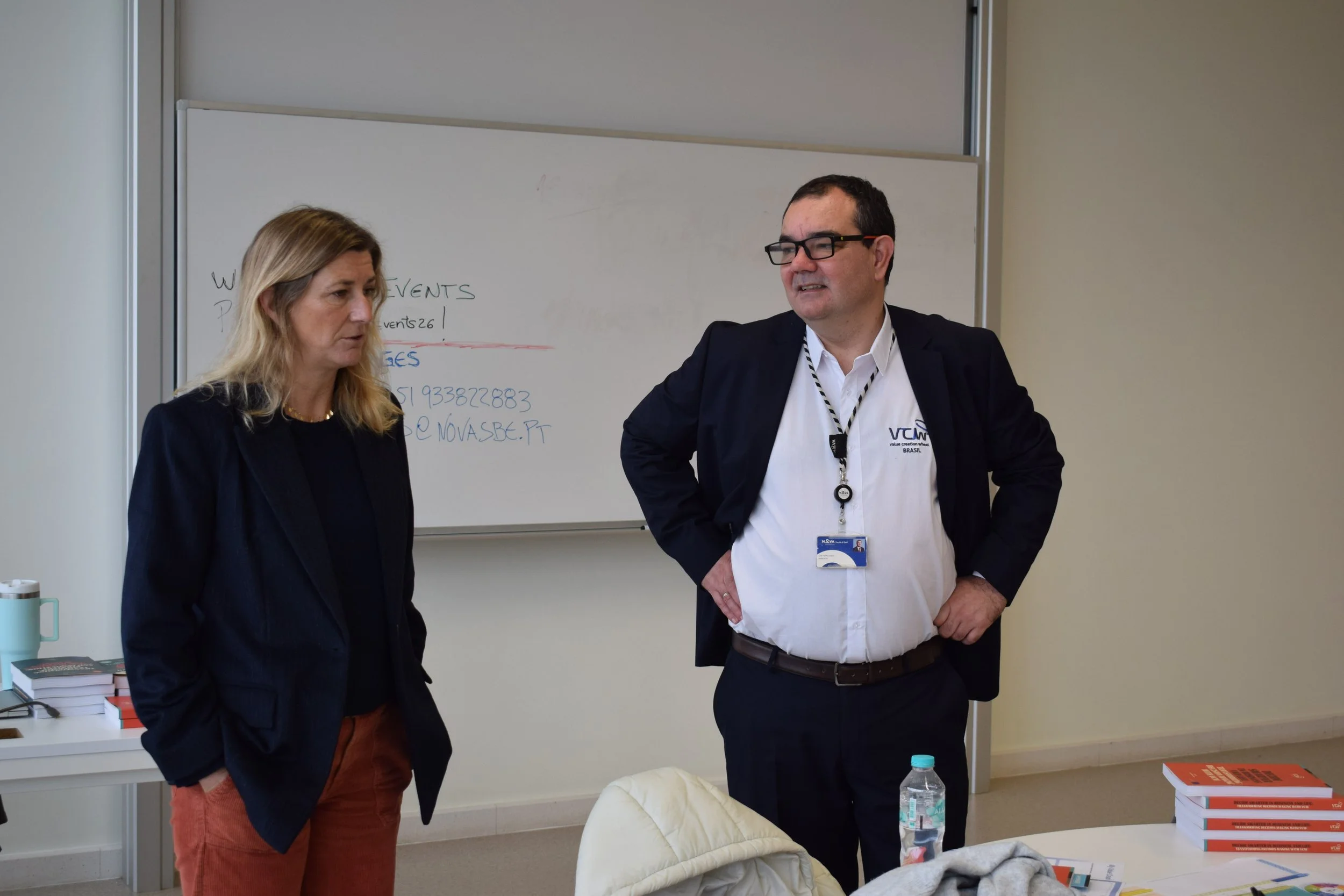
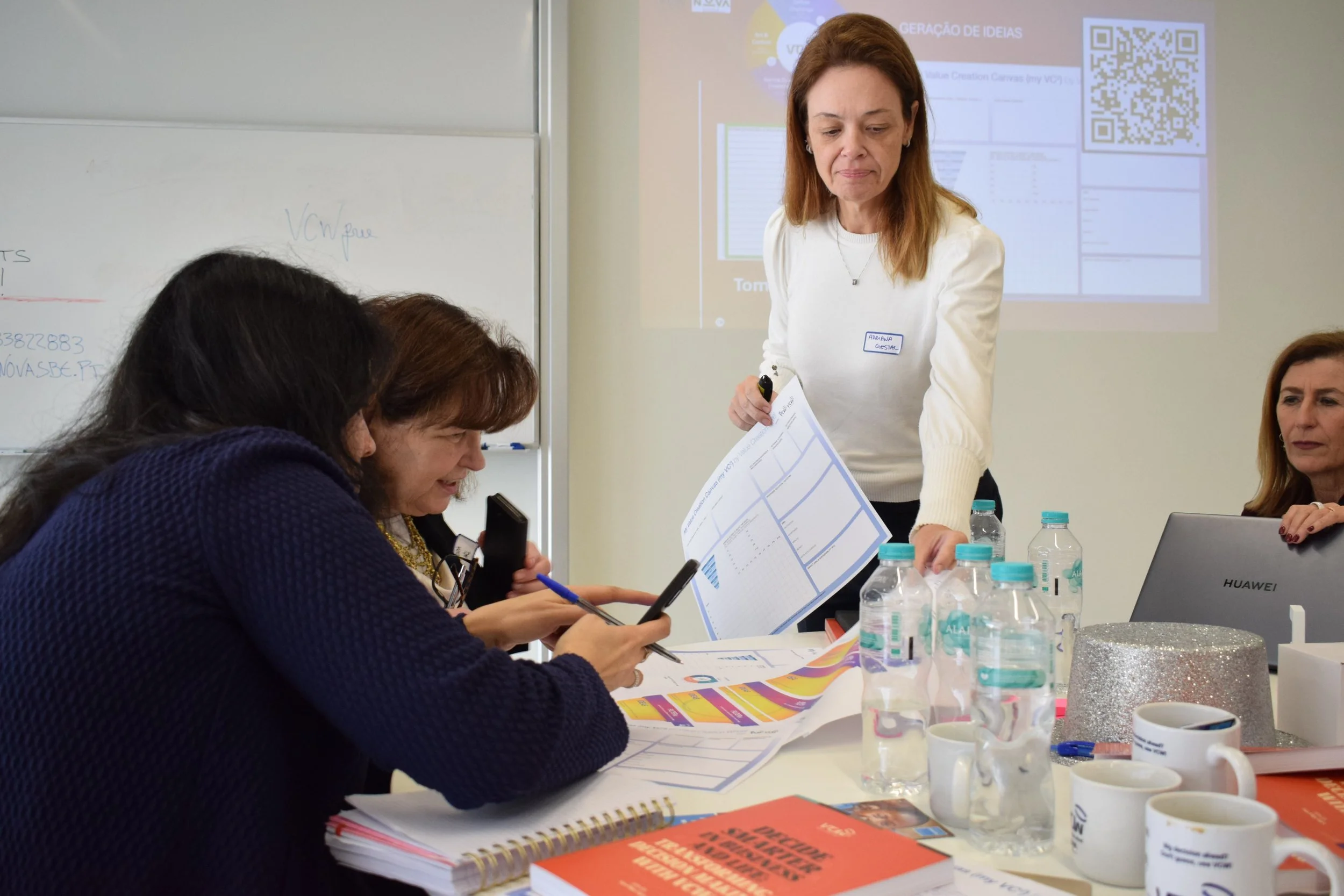
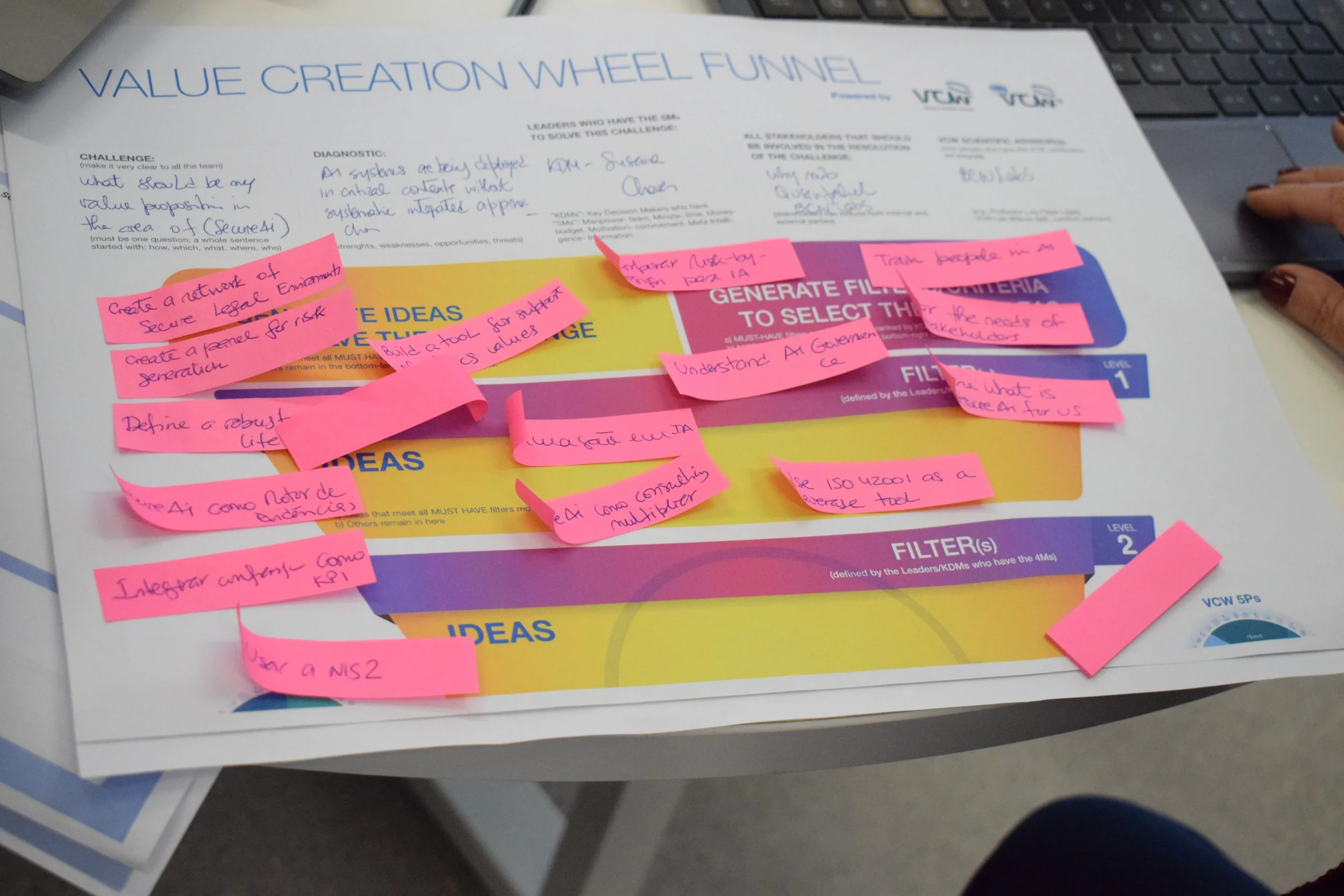
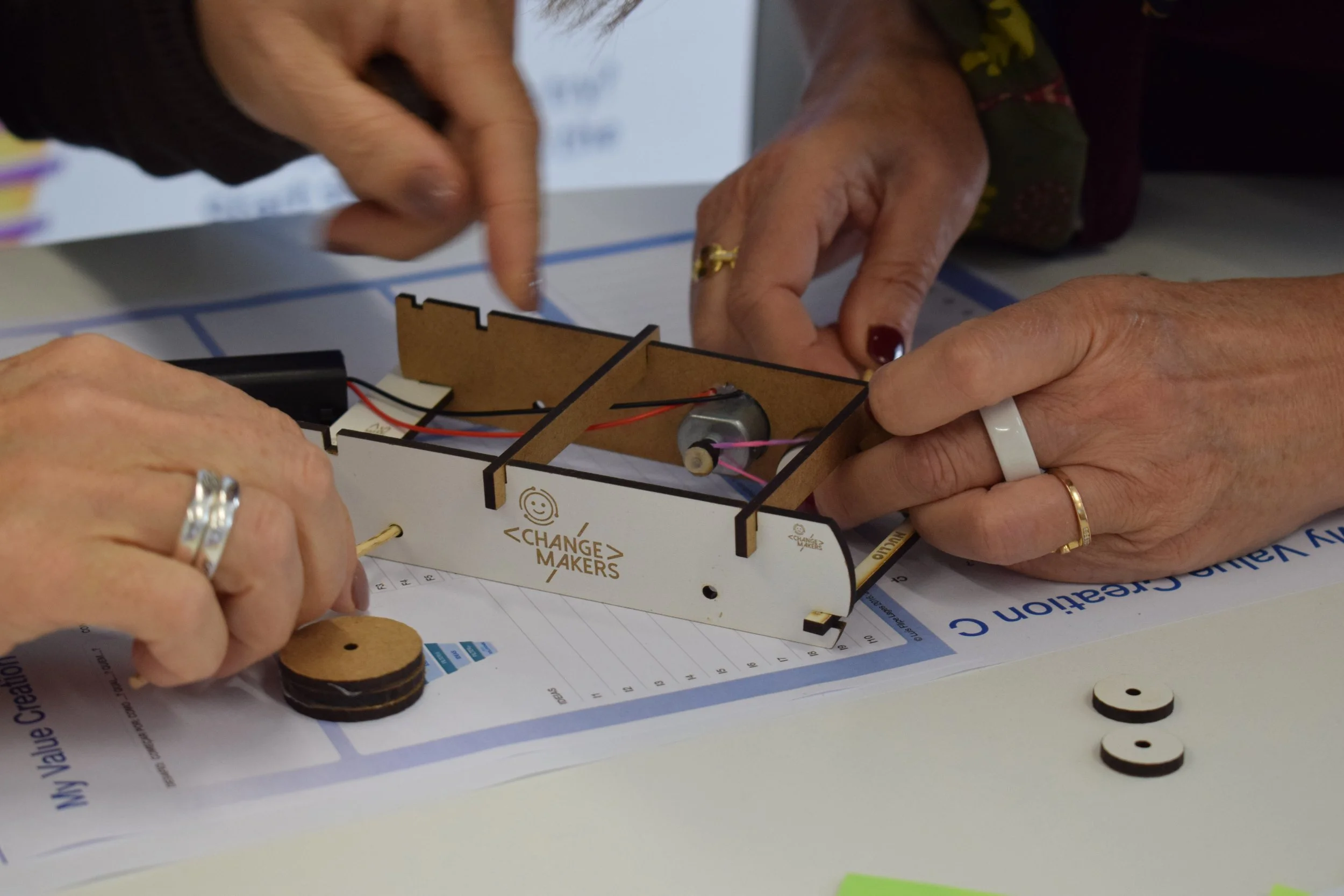
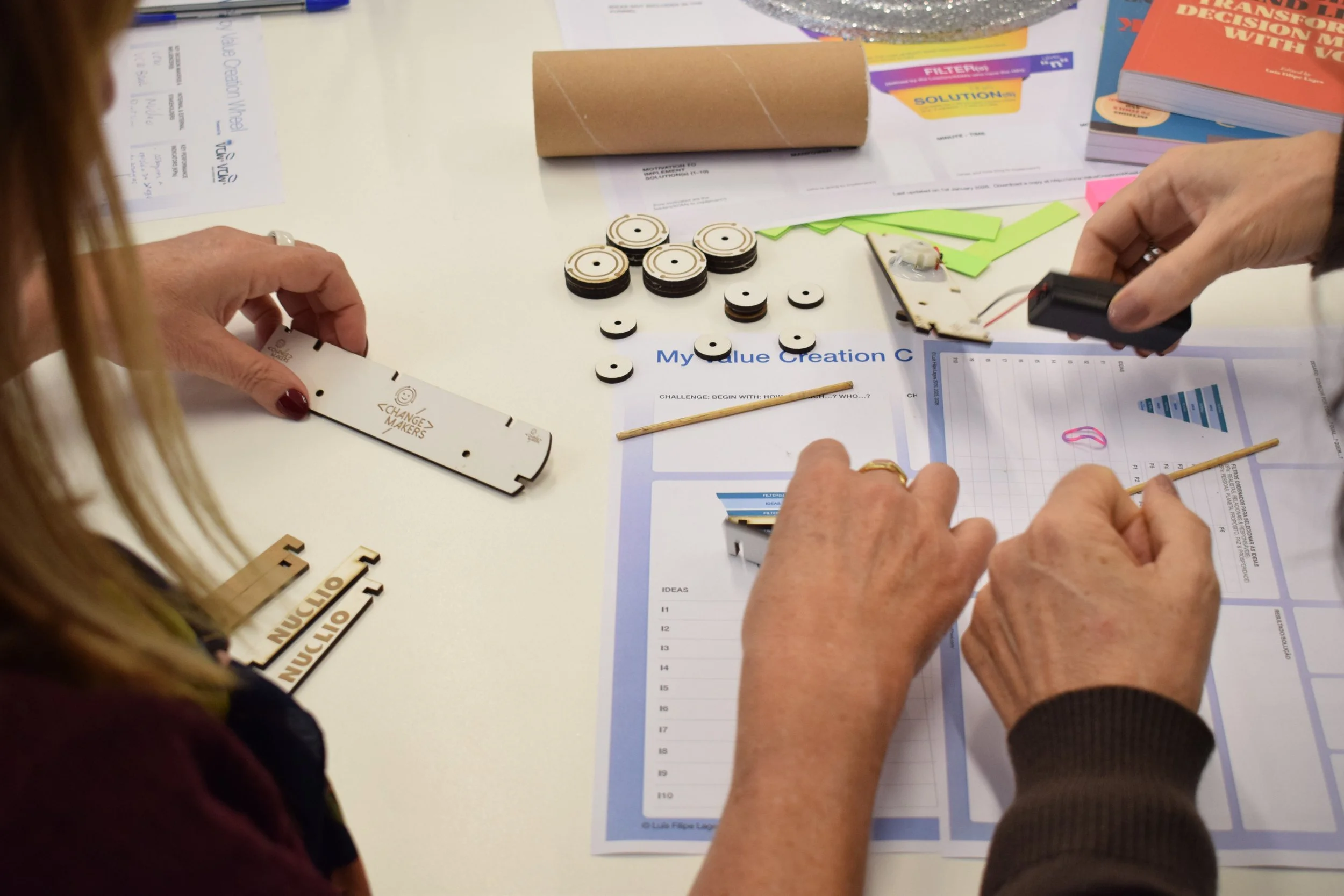
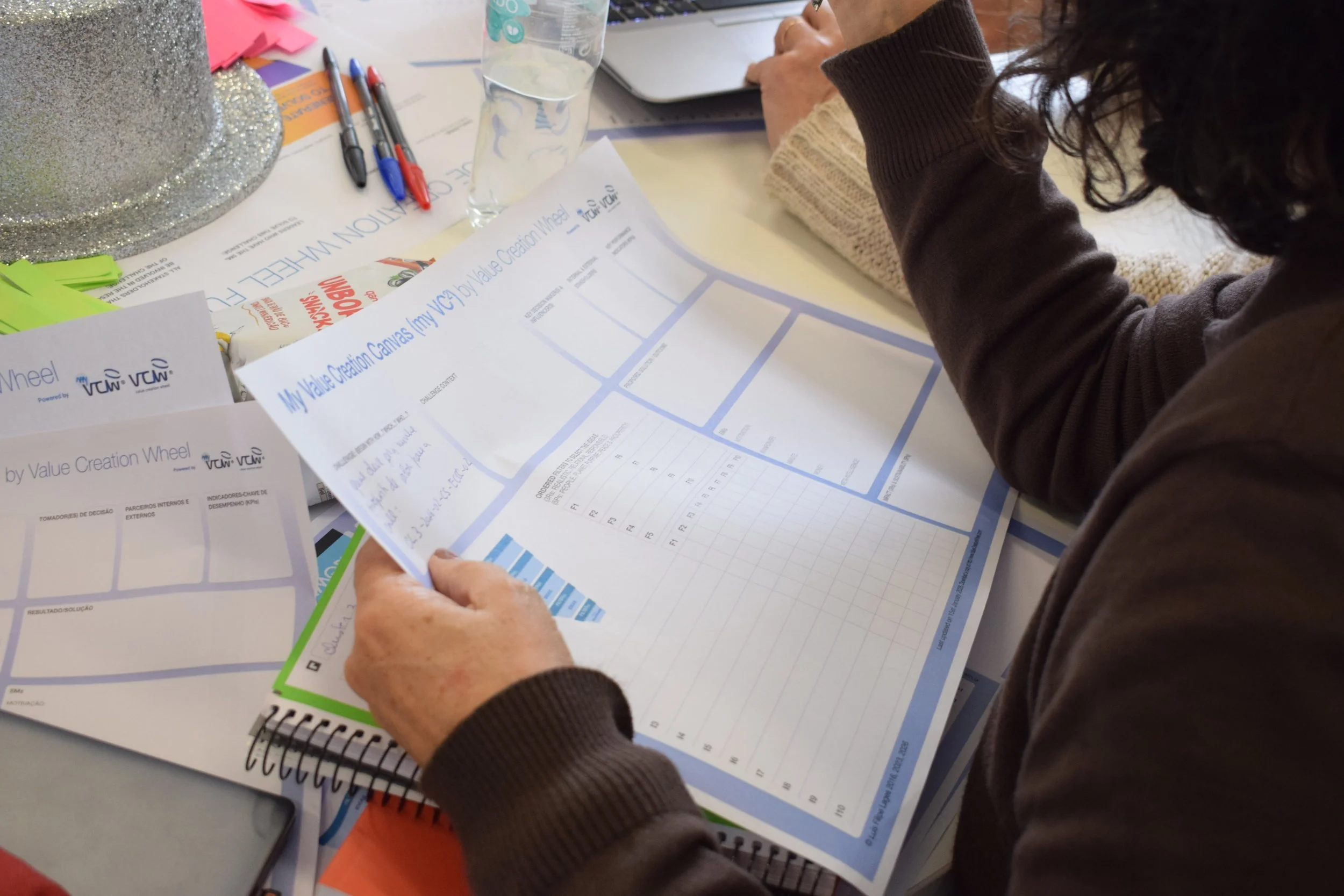
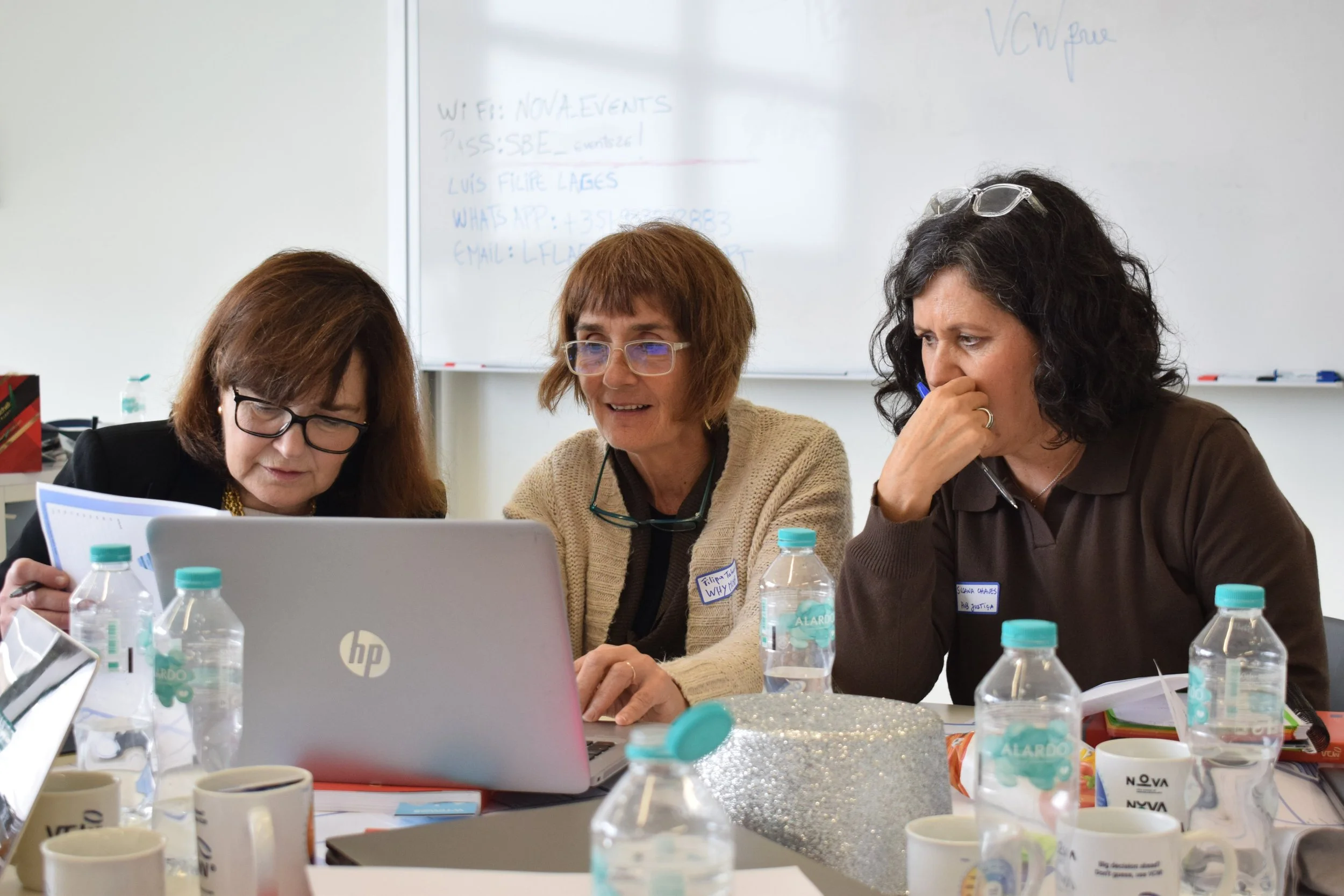
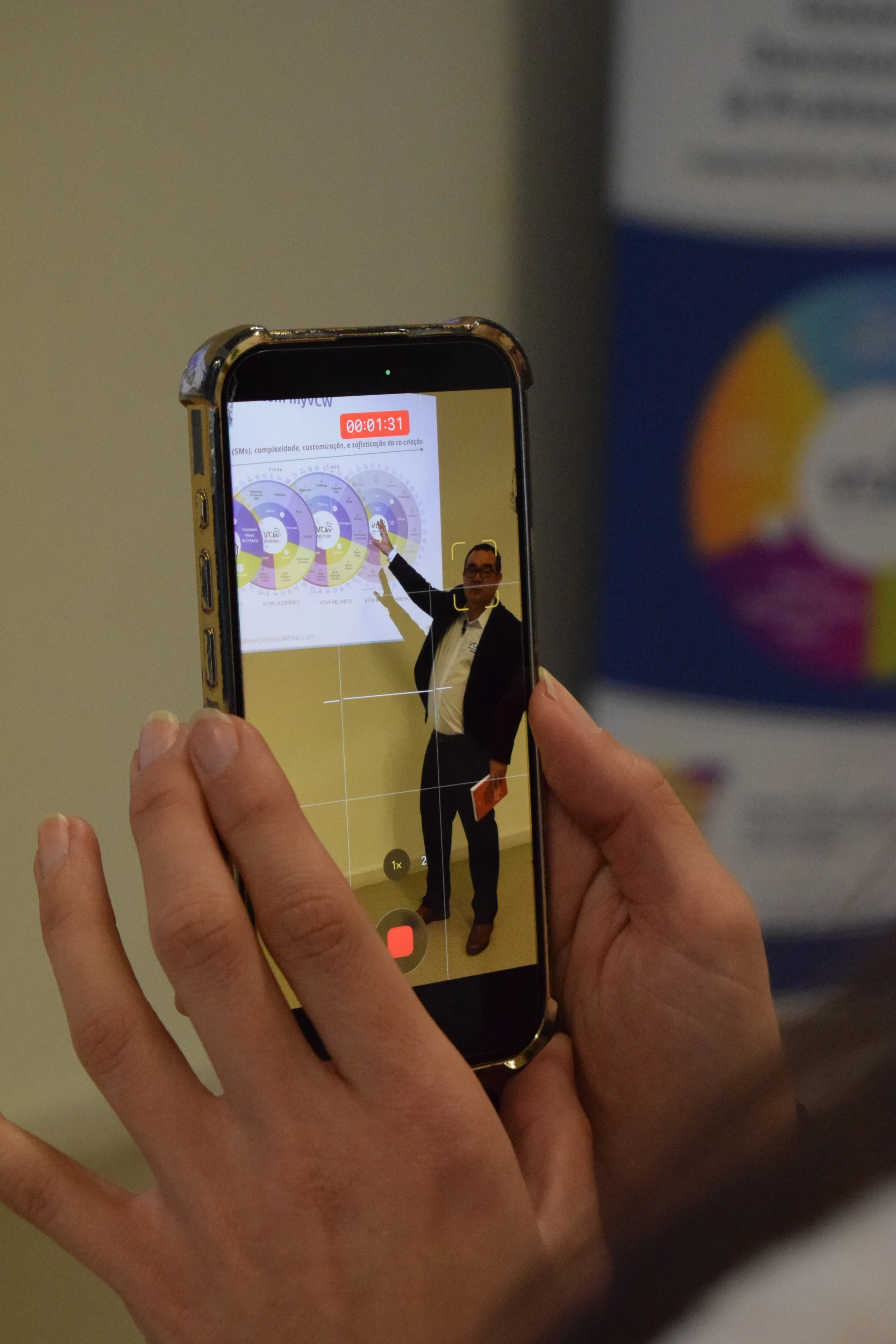
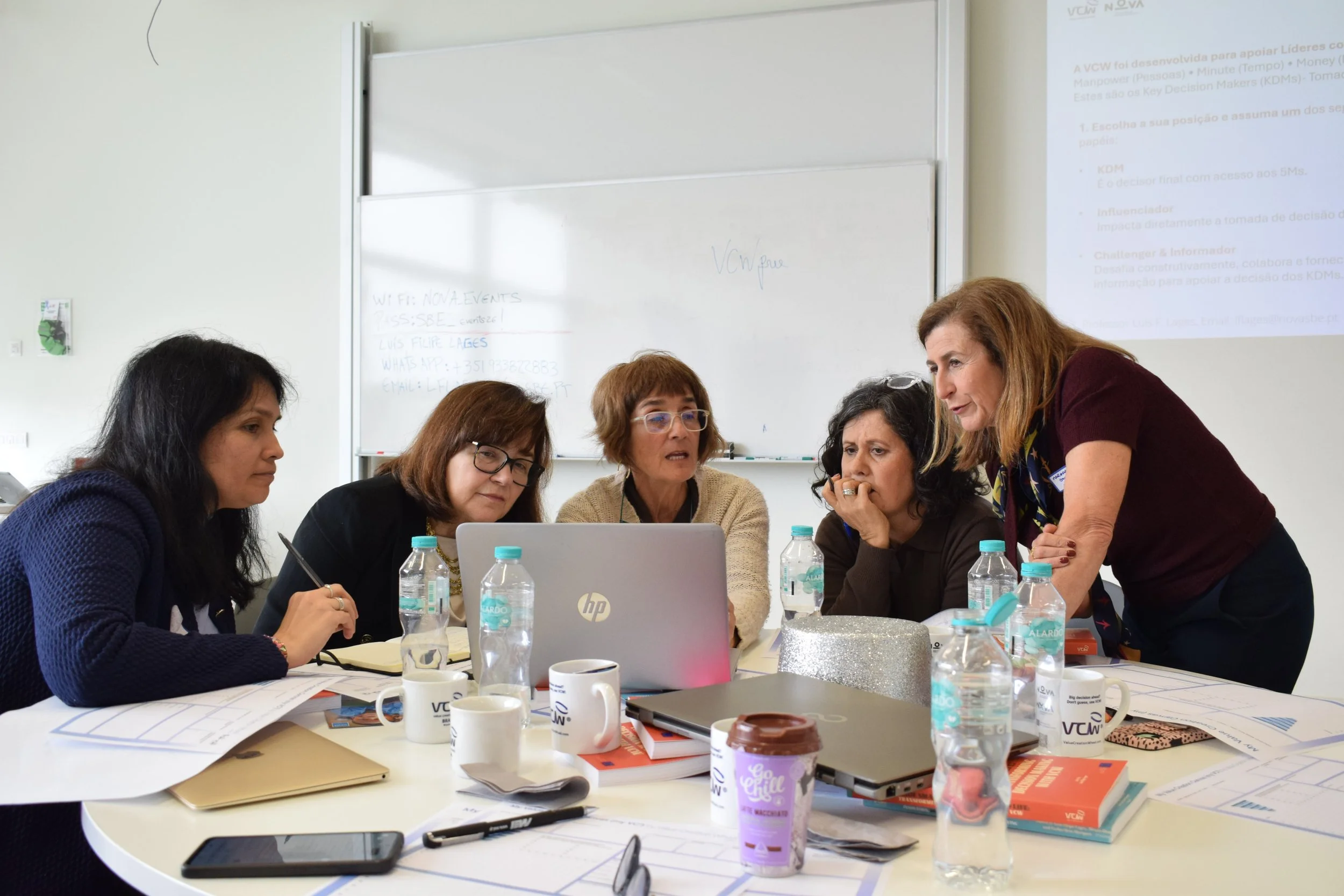
By attending the 2nd Sustainable Value Creation Summit (19–28 January 2026, Nova SBE) and visiting each Cluster page (see links below), participants can access detailed information on relevant calls, objectives, and funding opportunities, while simultaneously working on concrete challenges using the Value Creation Wheel methodology.
Event Overview:
SVCS: 19/01/2026- Cluster 1- Health
SVCS: 20/01/2026- Cluster 2- Culture, Creativity & Inclusive Society
SVCS: 21/01/2026- Cluster 3- Civil Security for Society
SVCS: 22/01/2026- Education, Science & Innovation | All Clusters and All EU Missions
SVCS: 23/01/2026- Leaders and Executives from Organizations, Public Institutions & Non Governmental Organizations (NGOs) | All EU Missions
SVCS: 26/01/2026- Cluster 4- Digital, Industry & Space
SVCS: 27/01/2026- Cluster 5- Climate, Energy & Mobility
SVCS: 28/01/2026- Cluster 6- Food, Bioeconomy, Natural Resources, Agriculture & Environment
-

Day 4 – Education, Science & Innovation | All Clusters and All EU Missions
Thursday, 22 January 2026
A cross-cutting day bringing together education systems, scientific knowledge, research excellence, and innovation ecosystems across all thematic clusters and EU Missions, focusing on how learning, science, and innovation translate into sustainable value creation and long-term societal impact.
-

Day 5 - Leaders and Executives from Organizations & Public Institutions | All EU Missions
Friday, 23 January 2026
A leadership-focused day convening executives, policymakers, and senior decision-makers from organizations and public institutions across all EU Missions, addressing strategic governance, organisational transformation, and long-term value creation in complex and uncertain environments.